Becoming the Worst DJ
I try to gain a new skill: becoming the worst DJ known to man
Introduction
I love a musical joke. If you've been following my projects for a while, I'm sure you've seen some of my silly compositions. It's really fulfilling to create music that sounds good and makes people laugh. Besides, I feel like it's a good way to get the most out of all my childhood music lessons.
A few weeks ago, I saw a reel by British DJ Snowdream. He's a skilled DJ who makes good music. He also makes 'terrible' mashups, jamming incongruous songs together. These mashups sound bad, but they actually require a lot of skill to create. As near as I can tell, Snowdream aims for people to say something along the lines of, "That actually kind of works."
After I laughed at a few of Snowdream's videos, I started thinking. It didn't seem that hard to make mashups like that. After all, I have a fair amount of experience with audio software, and a bunch of music knowledge. I decided to give it a try.
The Tools
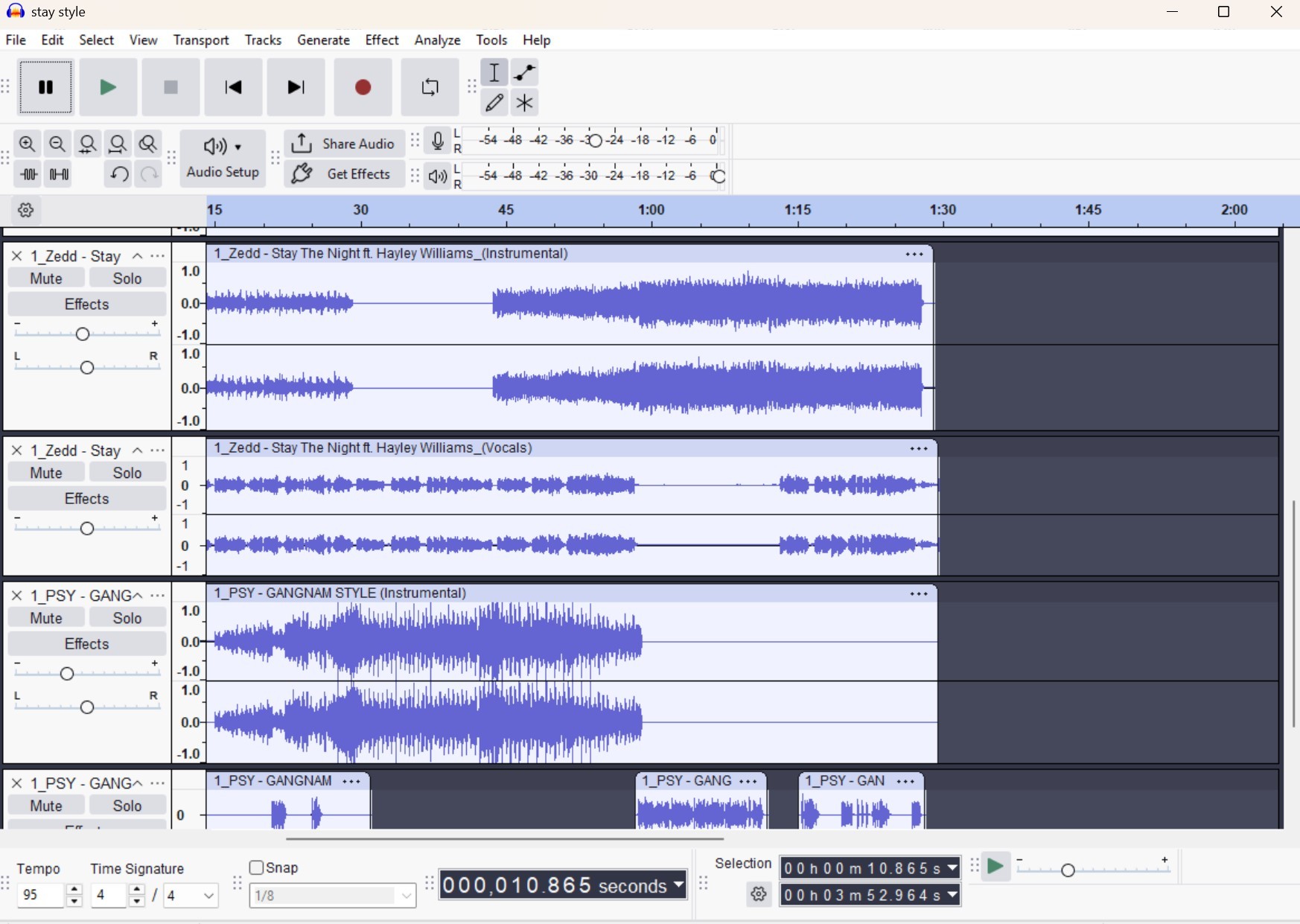
I love to try new projects, and I also love to not spend money unless I have to. This project was no exception, so I did the whole thing with free, open-source software. For most of the work, I used Audacity, a free audio workstation. Audacity's not a full DAW (Digital Audio Workstation), but I've worked with it before, and it has the basic functionality I need. It can speed up, slow down, pitch up and down, move, fade, layer and compress audio. This was most of what I needed.
However, if you want to put the vocals of one song with the audio of another, you need a way to separate the vocals from the music. I had recently looked into audio separation for work on the Kohler Tapes, so I downloaded UVR5, an open-source vocal remover.
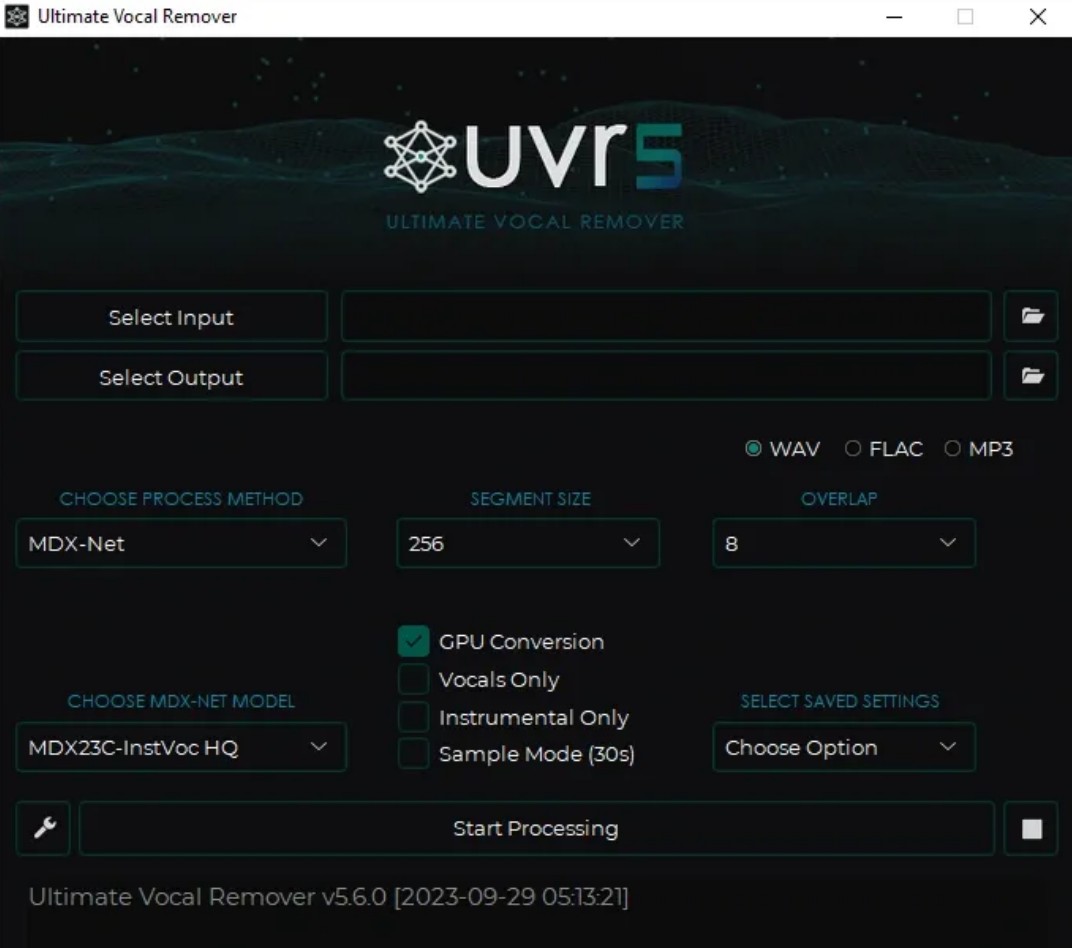
I played around with the tool, deciding which audio separation model to use. Audio separation isn't an exact science. It can strip out some of the quality, leaving either the vocals or background sounding a little tinny. After some googling and experimenting, I found the model MDX Net Kim Vocal 2 worked best for me. I also realized I could compensate (to some degree) for degraded vocal quality by re-adding reverb in Audacity.
With tools in hand, I was ready to start trying to become a DJ. Note: There's a lot of music in this post. I've mixed it for headphones, so listen with headphones if possible.
Phase 1: Transitions
I jumped in feet first, and started out with the lowest-hanging fruit I could think of for audio jokes: Songs that transition from one song into a completely different one. For my first one, I imagined a wedding DJ, finishing the bride and groom's first dance and 'seamlessly' transitioning into dance music for the crowd.
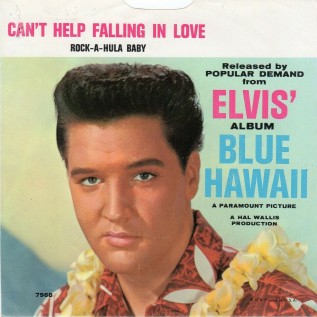
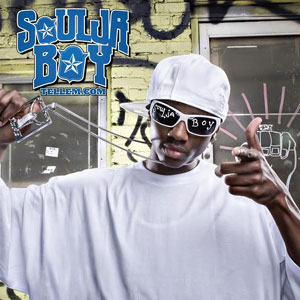
Maybe now you're starting to see what I'm aiming for. The juxtaposition of the two songs is jarring, and that's where the humor comes from. I was starting to figure out how to use my tools, and I tried making another transition.
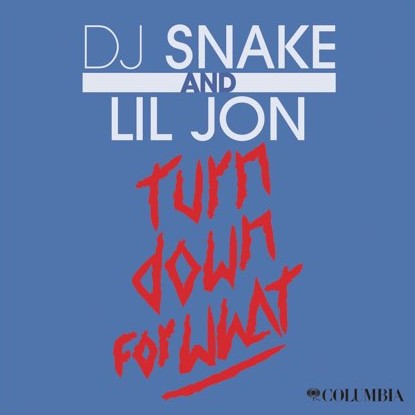
This one took a little more work. You may not have noticed, but I kept the bass from the Lil Jon song with the Thomas audio. I also re-layered in the yells of, "Turn Down for What."
Phase 2: Bad Mashups
These little transition gags were funny, but weren't really what I was hoping to do. I wanted to create truly bad mashups like the ones I'd seen on social media. A true bad mashup involves blending the two songs, not just switching.
Blending songs is more work than you might initially suppose. For the 'Can't Help Falling in Love x Soulja Boy' transition, all I needed to do was chop two songs and stick them together. For the mashups, I'd need to isolate vocals, match the tempo of both songs, and transpose the audio so they're in the same key.
Getting the songs to go together was a process of trial and error. Changing the pitch of music changes its tambre. (Think of how speeding up music gives it a 'chipmunk' quality.) I eventually figured out that to minimize the distortion I needed to identify the keys of both songs, then transpose both songs to an average, intermediate key. I did the same thing for the tempos, finding a midpoint between the two songs' speeds.
I also thought about what makes a mashup good. An actual good mashup involves songs that melodically go well together. A bad mashup often involves songs that don't quite work together, but are thematically similar.
Getting Some Data
In order to create mashups, I needed songs to mash up. I found a lot of success in club hits and 2010s era pop. I did this for two reasons. First, the music is nostalgic for me, reminding me of high school and college. Second, many 2010s pop hits have a built-in dance bass. Listen to any Katy Perry or Ke$ha song from 15 years ago, and you'll hear what I'm talking about. I googled lists of popular club and dance hits from the last 20 years and listened to them for ideas.
Working with the music, I came up with a bunch of ideas of songs that would go well together, and some ideas for songs that would barely work together. As you may recall, my goal wasn't to make good mashups, but to walk the line between ugly and, 'that kinda slaps'.
Looking through the songs, I thought it was funny that there were two dance hits in 2009 that had to do with danger on the dancefloor, with Sean Kingston releasing Fire Burning and Cascada releasing Evacuate the Dancefloor. As far as chord progressions go, they don't really work together, but they talk about the same thing. I imagined the worst possible DJ from 2009 creating this monstrosity:
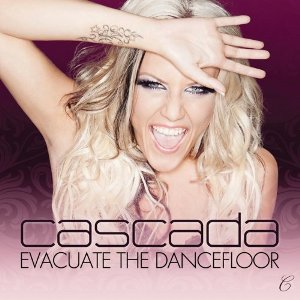
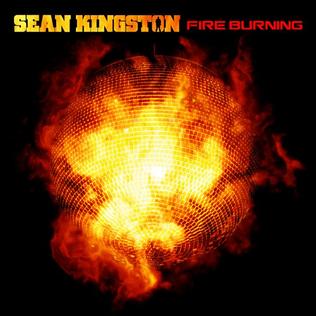
That was ugly. I feel like it almost worked, but I leaned a little too far into the 'bad' aspect of the mashups. As the old Japanese saying goes, "Fall down seven times, get up eight." I wasn't going to let that get me down. I kept thinking of unlikely musical pairs.
As I was thinking about bassy 2010s pop hits I realized that the Far East Movement's 'Like a G6' had the same bass beat as the rhythm of the word Summertime from Mungo Jerry's 1970 classic. This one was the hardest one to get the timing right on. In the 1980s, it became standard for most non-acoustic artists to record while listening to a click track (think metronome), so the timing of most music from the last 40 years is pretty constant. However, Mungo Jerry recorded his song before that, so no amount of speeding it up and slowing it down would make it match perfectly with the other song. I ended up having to individually tune each phrase, piecemeal, to try and match.
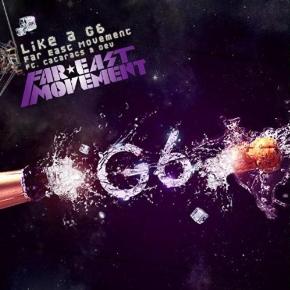
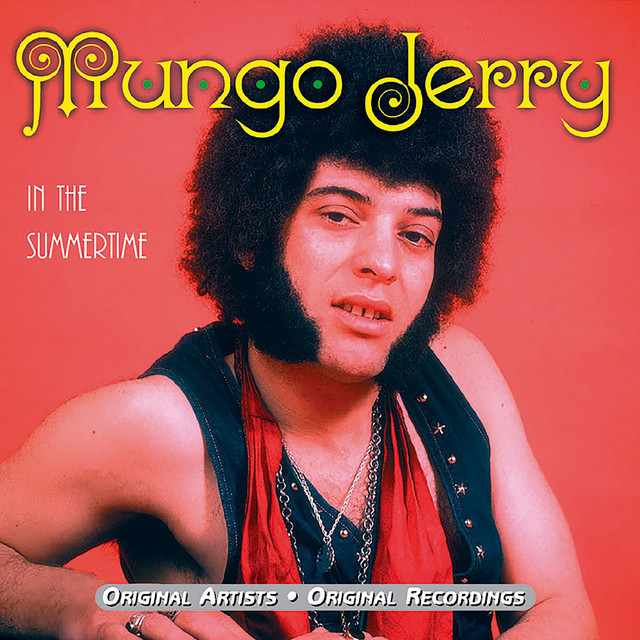
With those two mashups, I might have been on the 'terrible' side of 'terrible mashups'. I was getting practice though, and things were gradually improving:
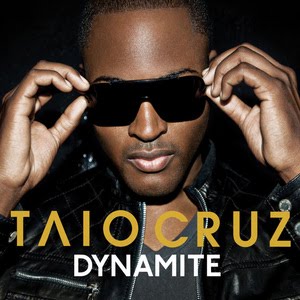
It's a little off-putting (the songs have different chord progressions), but it kinda hits. I was getting the hang of things. I reached into my bag of songs and pulled out two of the most 'dance music' hits I could find:
Things were getting better! I was much closer to the line between 'bad' and 'actually kinda good'. I kept going:

I feel like at this point, I'd found the line. These last two were exactly what I was aiming for. They work with each other just barely well enough and still felt like a terrible mashup by a bad DJ.
Phase 3: Good? Mashups
I couldn't keep making ugly music, though. My parents started me in music lessons when I was four years old. I learned to read music as I learned how to read language. I don't even have any memories from before I learned music. While I am by no means a great musician, I have a pretty good musical intuition if nothing else, and creating these ugly mashups was itching at the back of my mind.
Also, at this point I was getting kind of good at making mashups, and they kept getting better. I was in a flow state, picking club hits and songs that really shouldn't work with them at all, and they kept sounding great.
This last one had the same issue as the Mungo Jerry song. The Red Hot Chili Peppers recorded Snow with a variable tempo, so it took some doing to match it up with the mechanically perfect beat of Avicii. It still turned out pretty good, though.
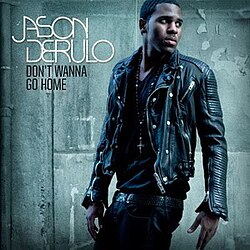
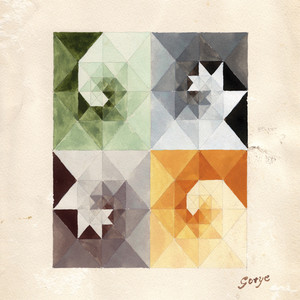
For most of these mashups, I felt like it was enough to just do a snippet of the song (between 15 seconds and 2 minutes). That's what Snowdream had done for his reels. However, I thought it would be nice to do one full song.
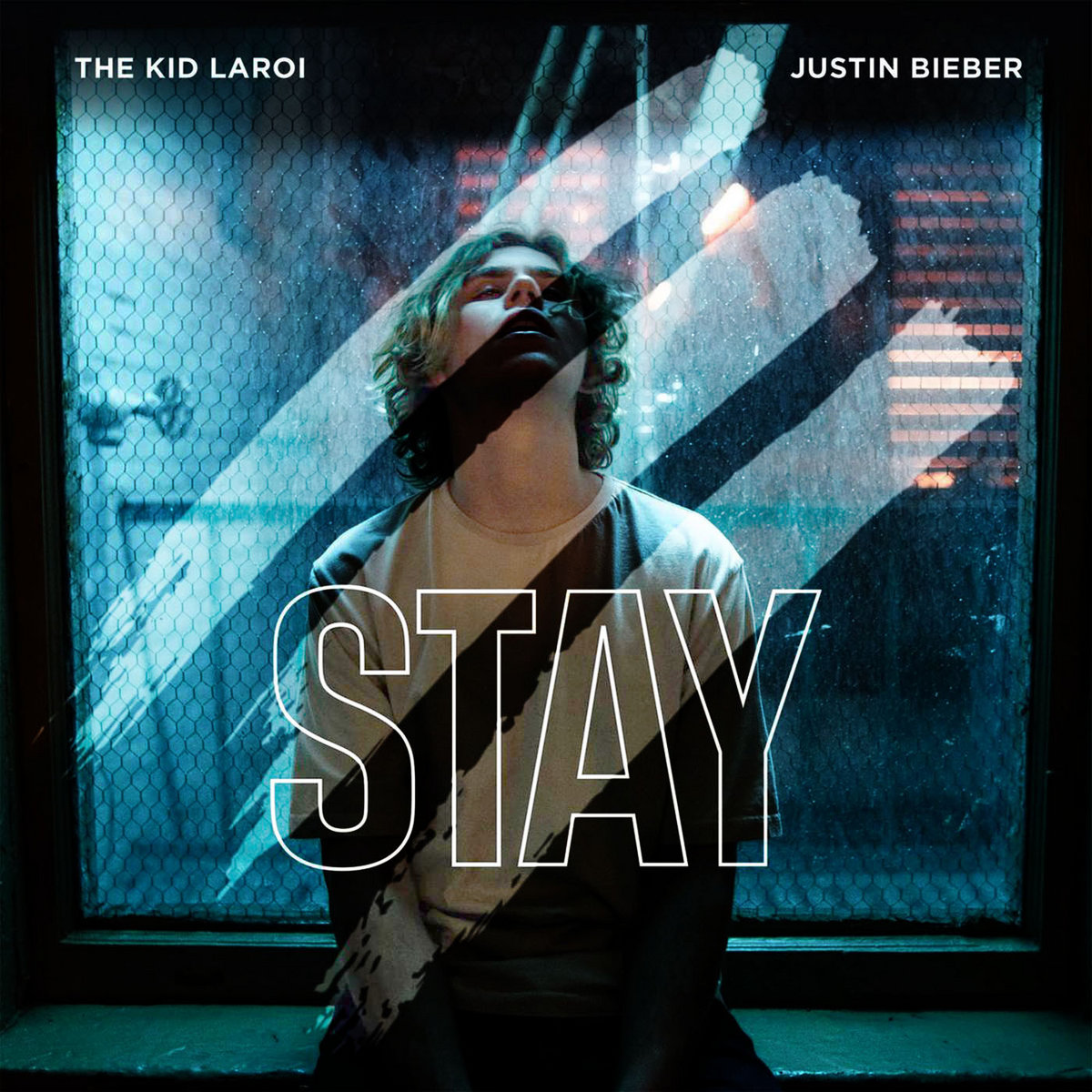
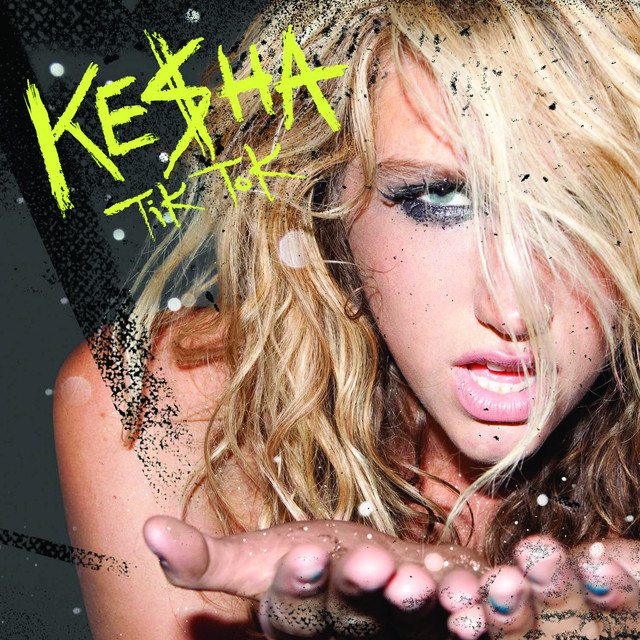
Conclusion
This was super fun! I love gaining a new skill. I think I found the sweet spot for terrible mashups, though not every one I tried actually hit the mark. It's cool that you can hear me getting better at making mashups as the blog post wears on. I also made more than 12 minutes of mashups which is kind of a lot, since most were just little clips.
So what do you think? Are you going to hire me to DJ your next event?