The Cost of Legos
Are Legos really getting more expensive?
Lego Cost
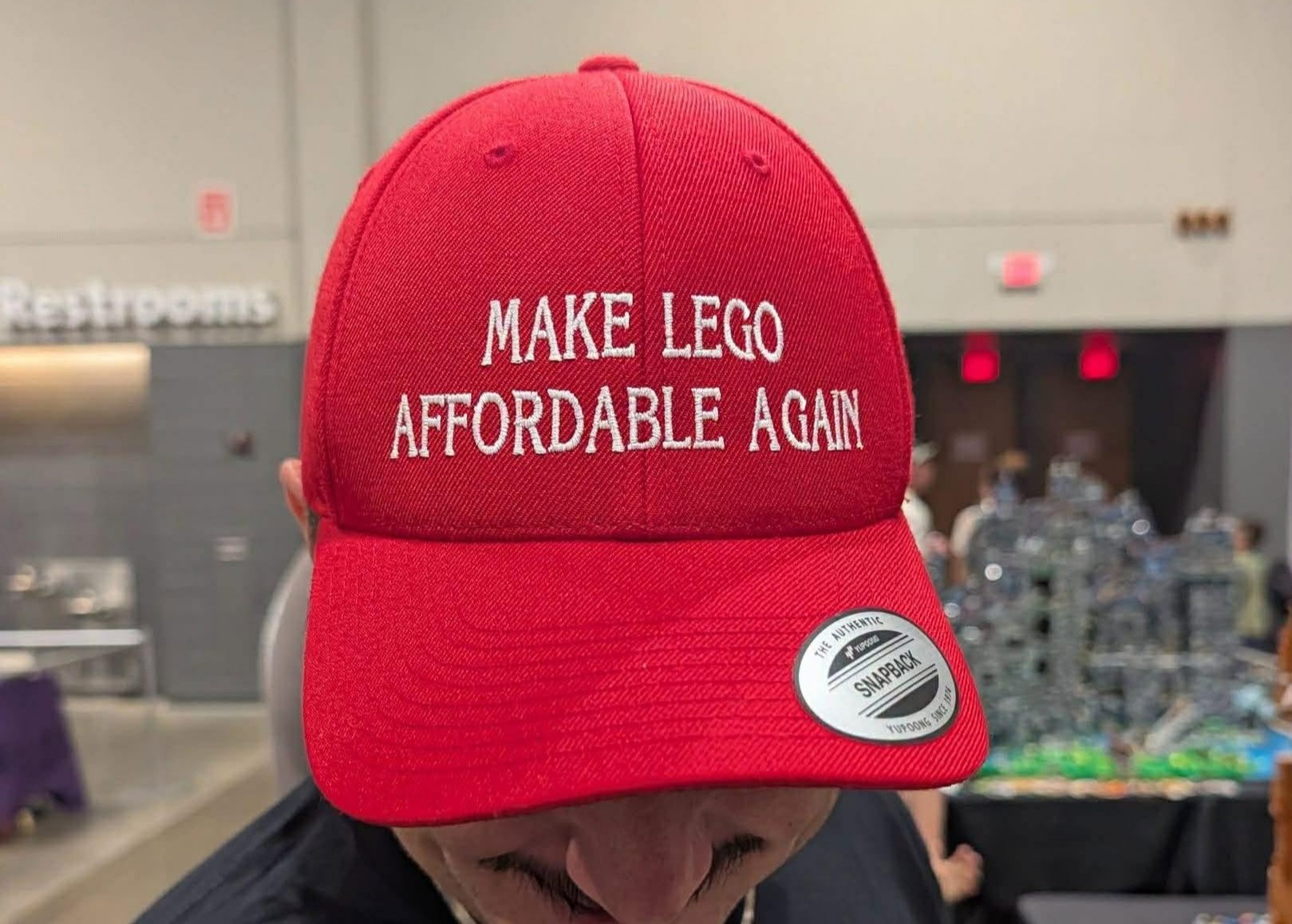
A few weeks ago, my dad sent me a picture of a hat reading, "Make Lego Affordable Again". My dad knows I run Alex Lyman Studios, an instagram account for my original Lego creations. It's a silly sentiment, but it got me thinking. Are Legos really less affordable now than they used to be?
Note: The plural of Lego can be either Lego or Legos. In this post, I will be using the latter.
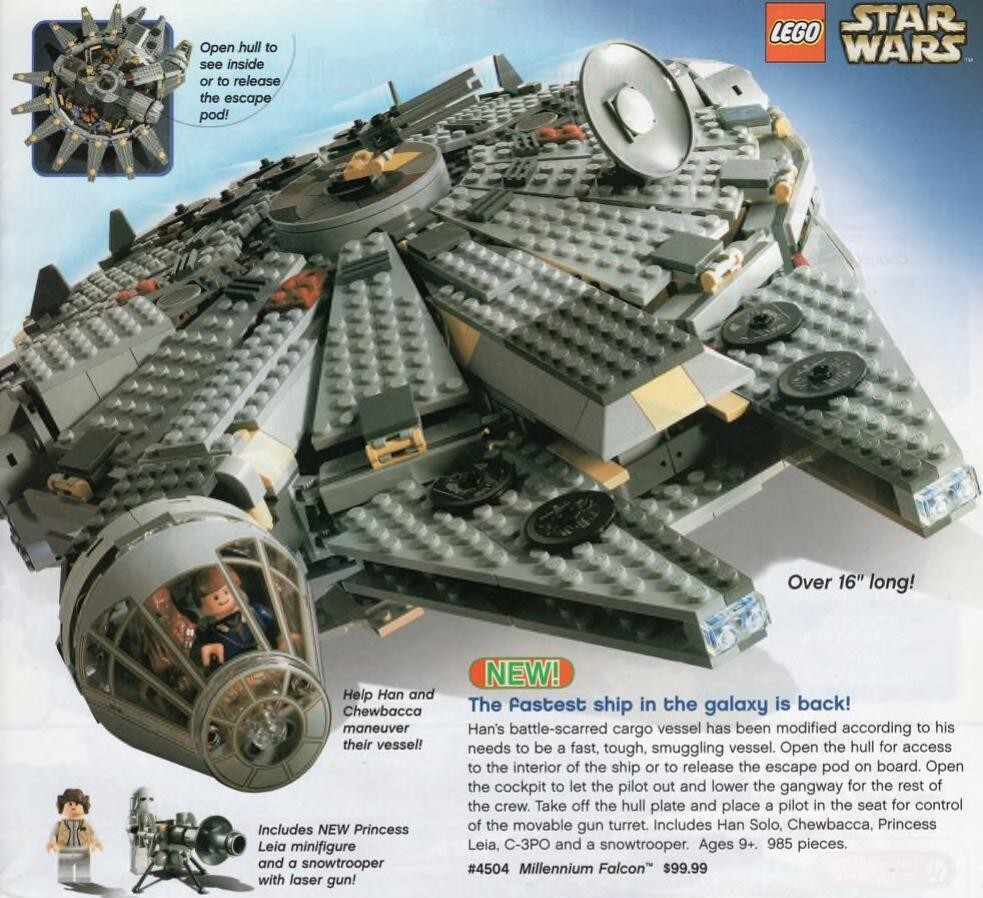
Consider the following example. When I was 10 years old, Lego released a Millennium Falcon set. I remember looking longingly at it in the Lego catalog, and seeing that it cost $100. That was too much even for a Christmas present, so I never got it. However, it did cement in my head, "A big Lego set like the Millennium Falcon should cost around $100."
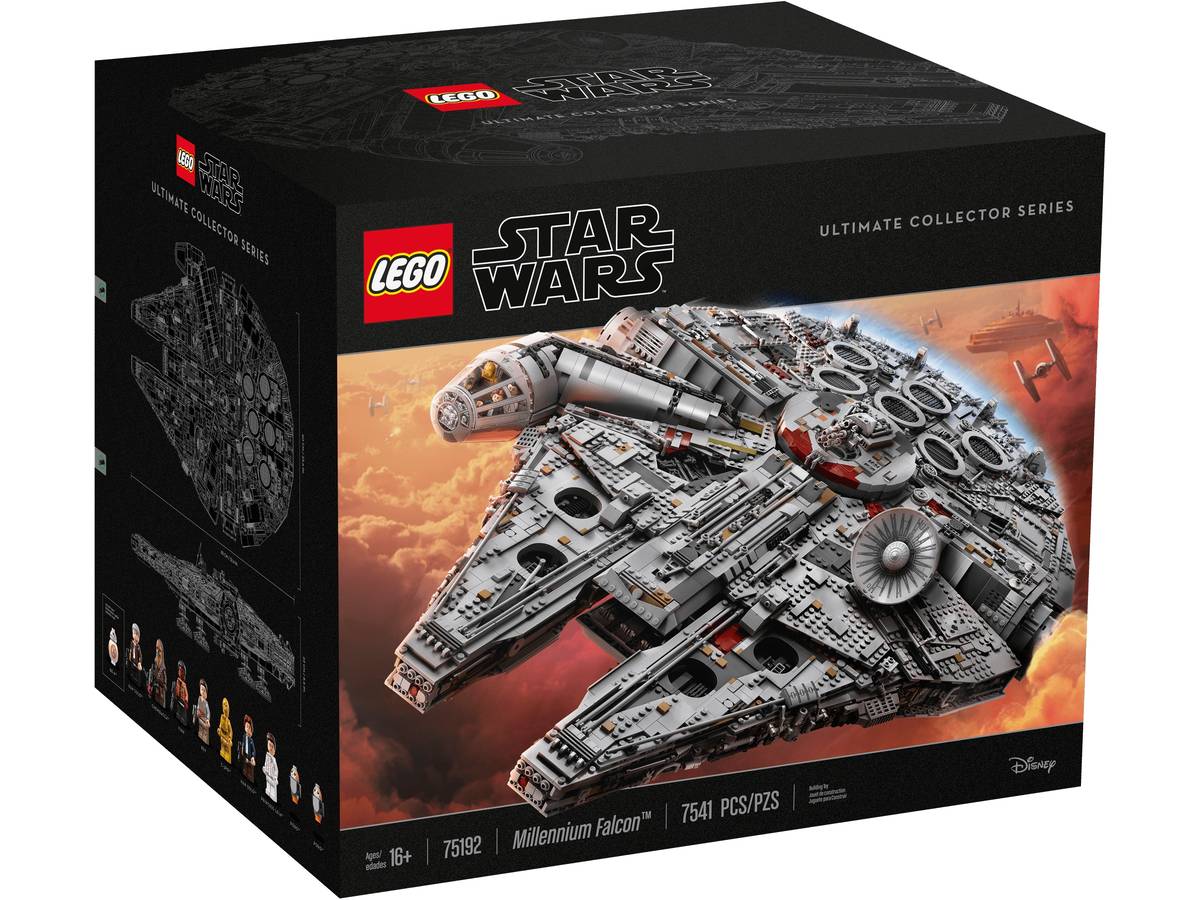
Now, I'm an adult. In June, I went to the Lego Store at the Mall of America. While looking at the Star Wars Legos, I saw the big Millennium Falcon set. It cost $850!
So are Legos 8 times more expensive than they used to be? That doesn't seem quite right.
On top of that, I remember when I was little, my dad told me that Legos were relatively more expensive when he was young. That doesn't really mesh with this idea that Legos keep getting more expensive.
I love a good mystery, so I decided to jump in and figure things out.
Creating a Dataset
If I wanted to look at price trends, I needed a bunch of data going back at least 50 years.
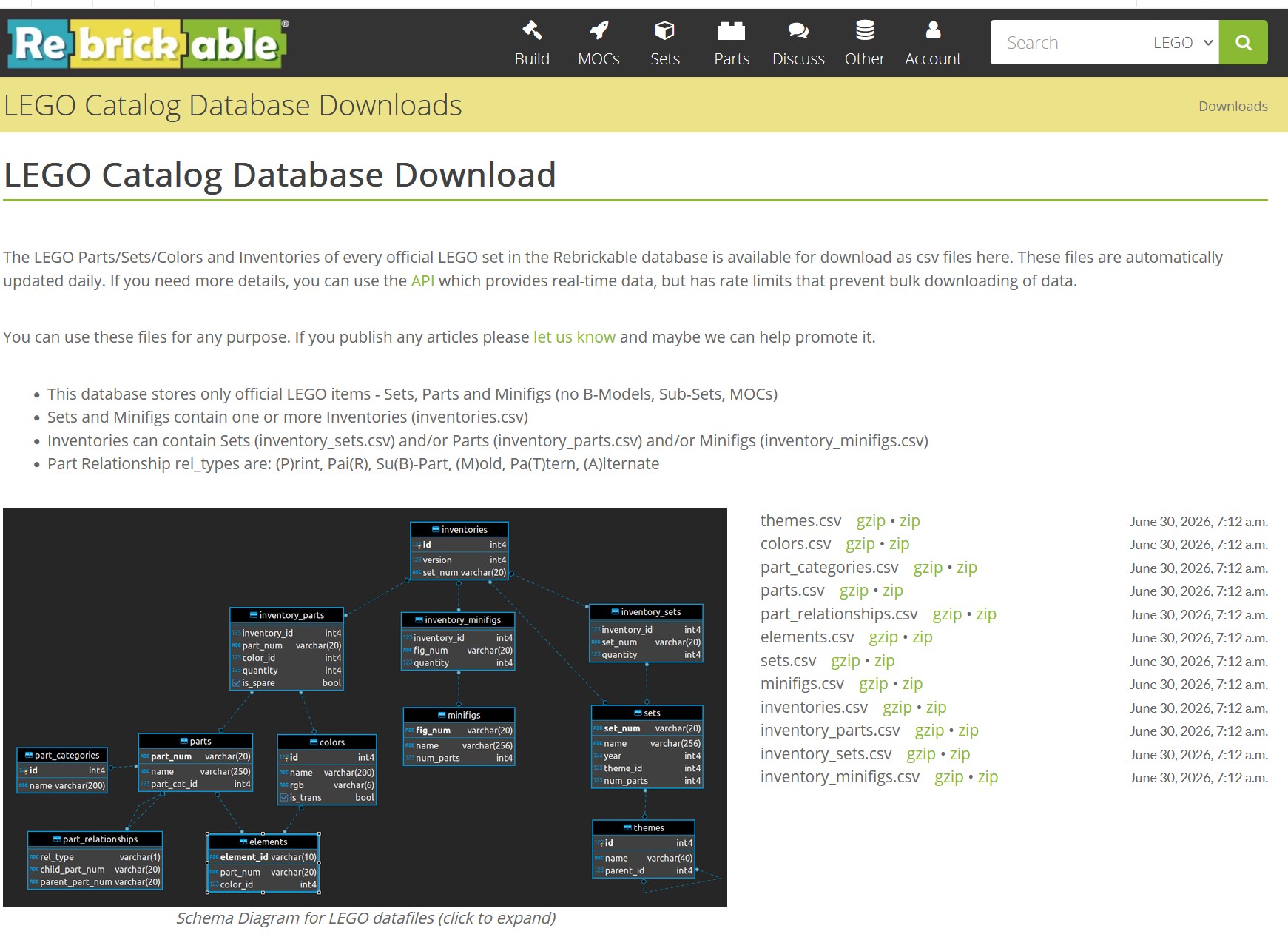
Thankfully, there are several sites online that provide bulk data on Lego sets. Rebrickable, for example provides data downloads of Lego sets data including part count, number of minifigures, etc.
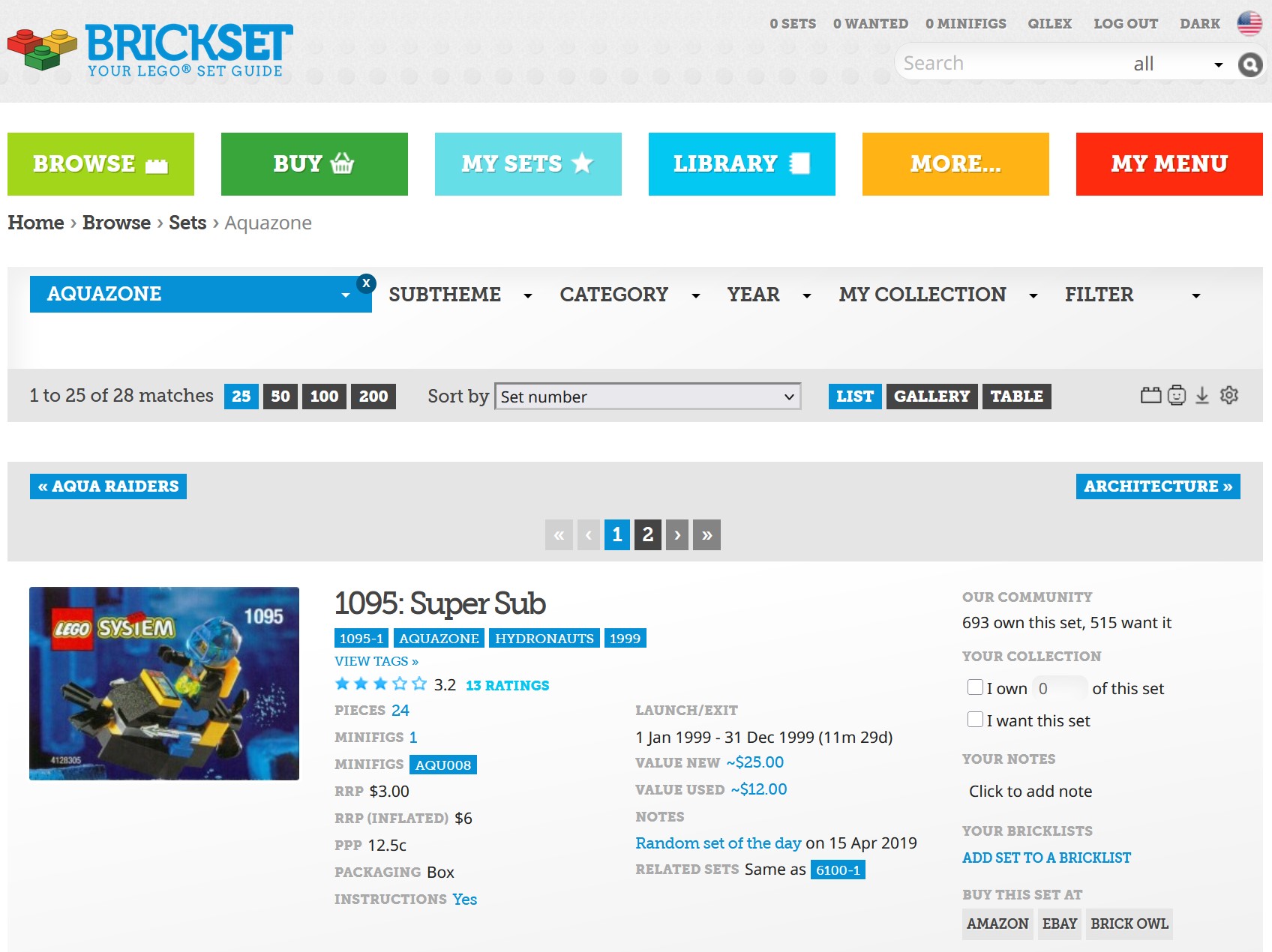
I also needed original price data for each set. I started looking on Brickset, another great source of Lego information. They have retail prices for several sets back to about the 90s, so I signed up for an API key and grabbed all the data I could. However, this site is community-driven, and lots of sets have missing data.
I needed more data, especially from sets pre-1999. After looking around for a while, I found BrickEconomy. BrickEconomy is a website that offers lots of paid features for checking collection prices and investing in Legos.
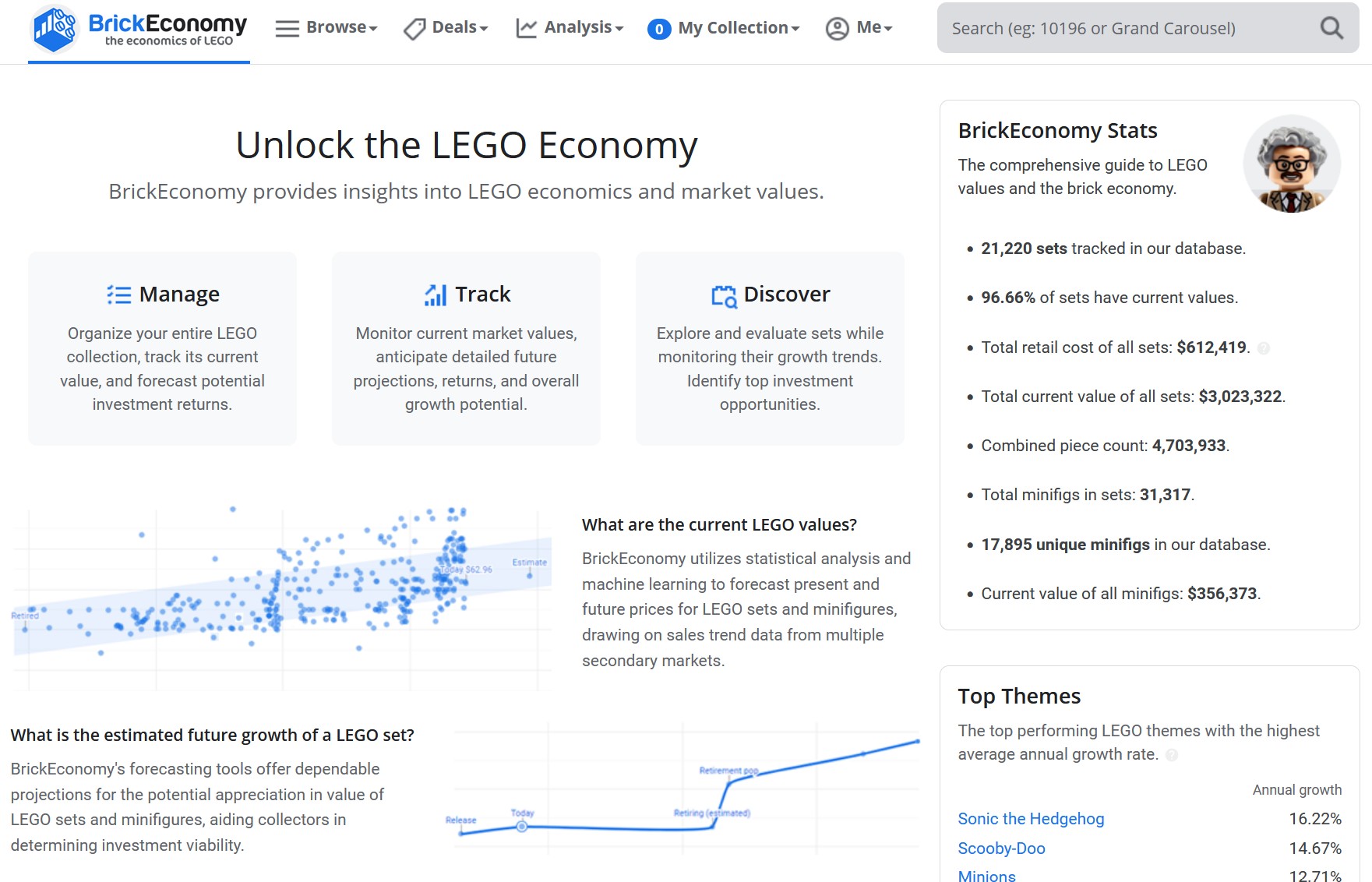
Because BrickEconomy is a paid site, they do not offer public data dumps. I wanted to respect their IP, and not scrape any proprietary information. To do this, I had to get a bit creative to extract the retail value of a bunch of older sets.
BrickEconomy offers both a free and a premium collection tracking service. You can import and export sets you have. The free tier allows you to export just the set theme, name, and original retail price. I made a list of every lego set and imported it as my collection to BrickEconomy, telling them I owned one of every Lego set in their catalog. Then, I exported it to get the retail price of each set. (Actually, I had to do this in batches since a list of every Lego set was too big for their servers.)
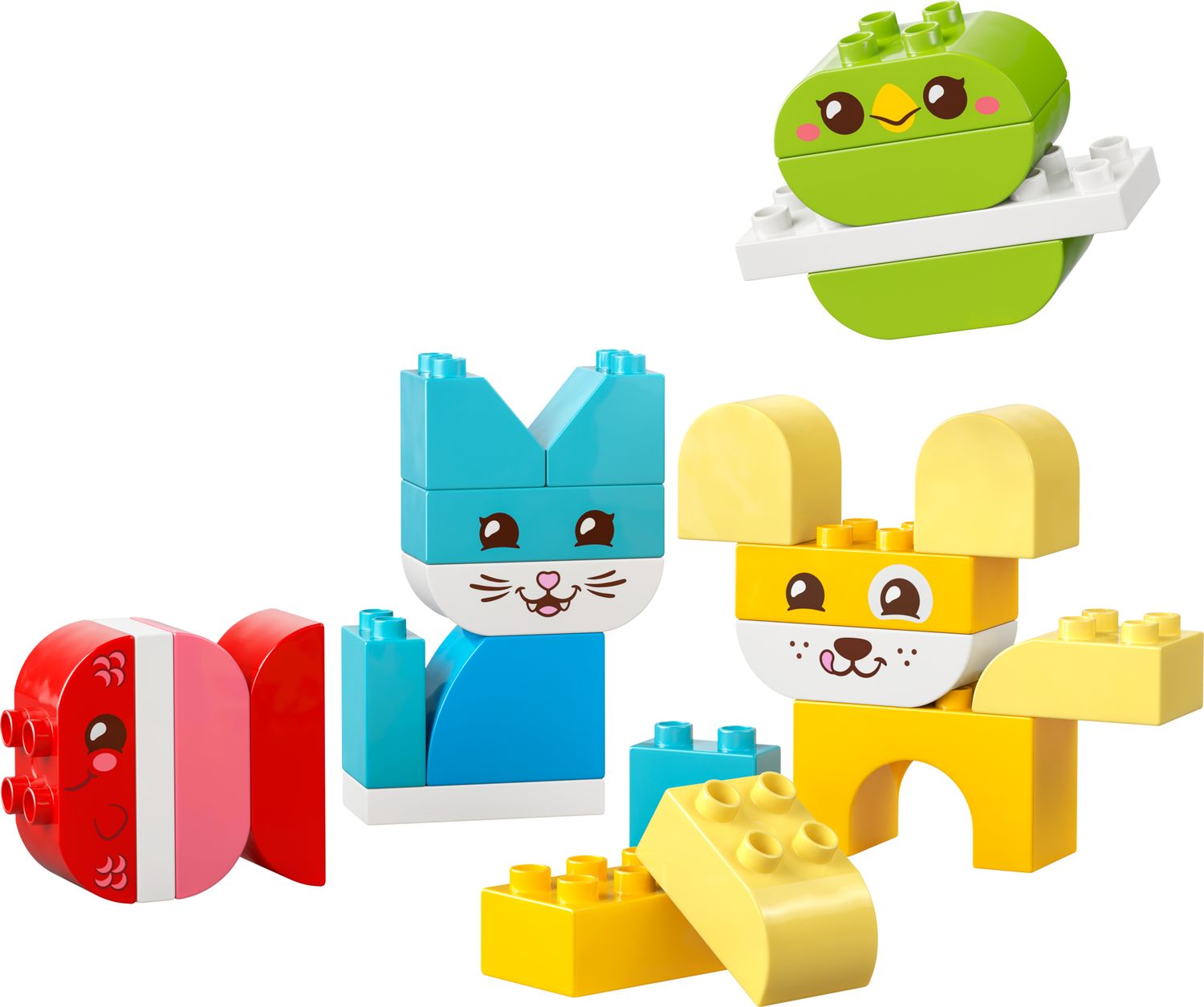
Over the years, Lego has released a lot of different products. Most of these are what you think of when you imagine a Lego set - something built out of Lego bricks, usually including a few minifigures. However, they also release products like "one train motor," "Duplo blocks for babies," or "A backpack" (for a person).
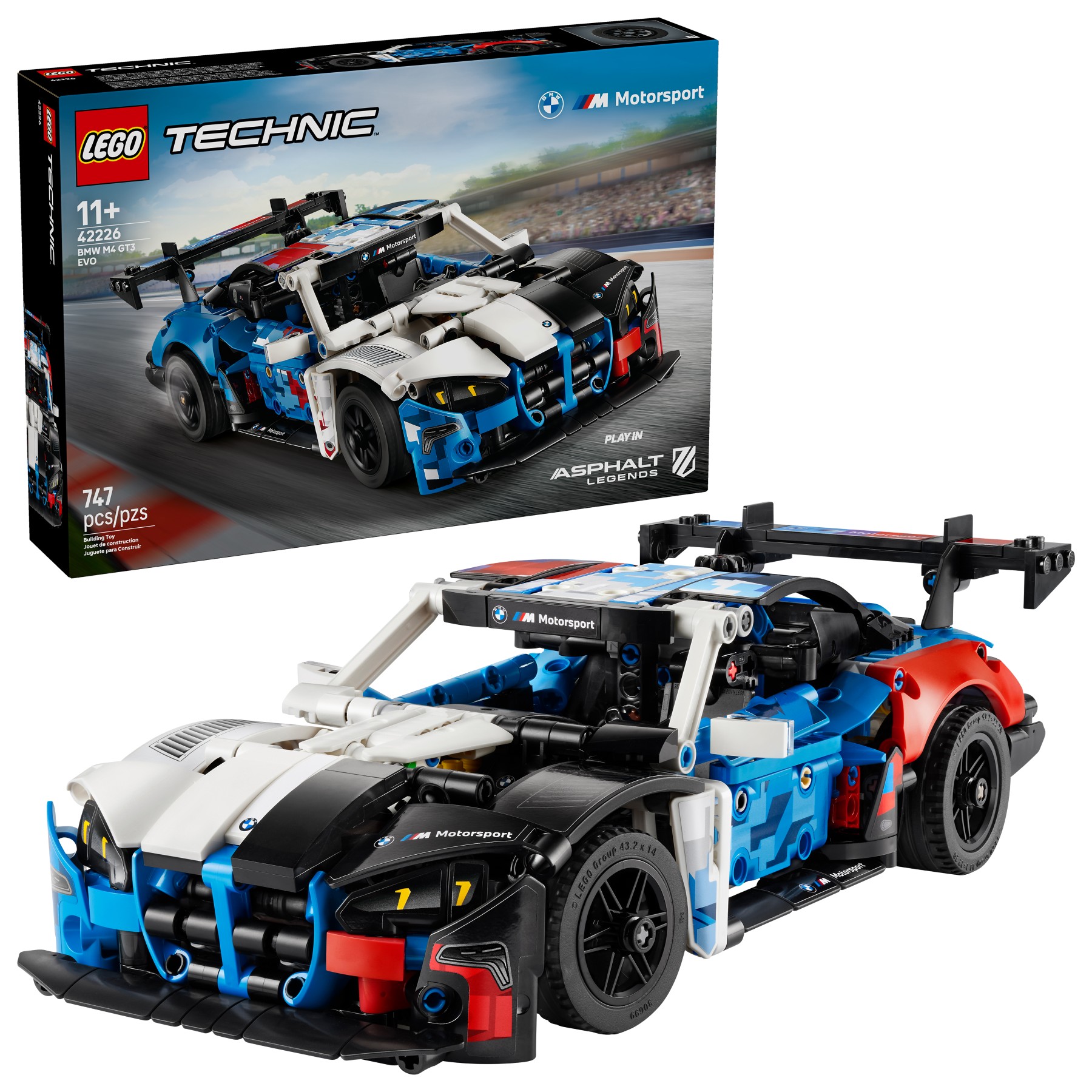
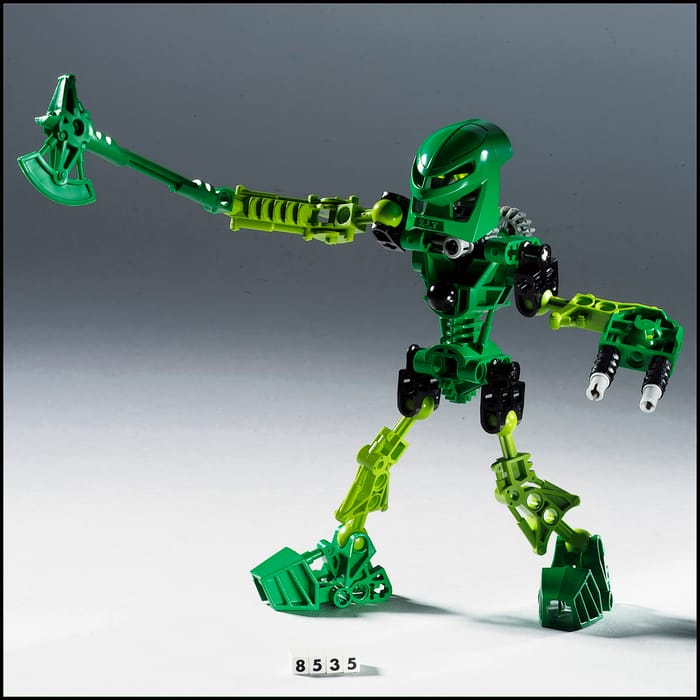
None of these are what I want to look at, so I filtered out a bunch of non-traditional Lego sets, including themes like Duplo, Technic, Bionicle, and Collectable Minifigures. I also removed any set with fewer than 10 pieces. There were lots of weird sets with low piece counts like a remote-controlled motor that was 8 pieces but $117 in today's dollars, and they were skewing the data.
Note: If you've ever built a Lego set, you'll notice several extra pieces in the box. This means that sets have two piece counts. The one on the box does not include these extra pieces, though the dataset uses counts including the extra bricks. Whenever I mention a single set's piece count, I use the one printed on the box.
This left me with a dataset that was perfect for my needs. Pretty much everything was a prototypical "Lego Set." I was able to Frankenstein together a dataset of over 10,000 Lego sets from 1950 to 2025, each with price, piece count, and minifigure count.
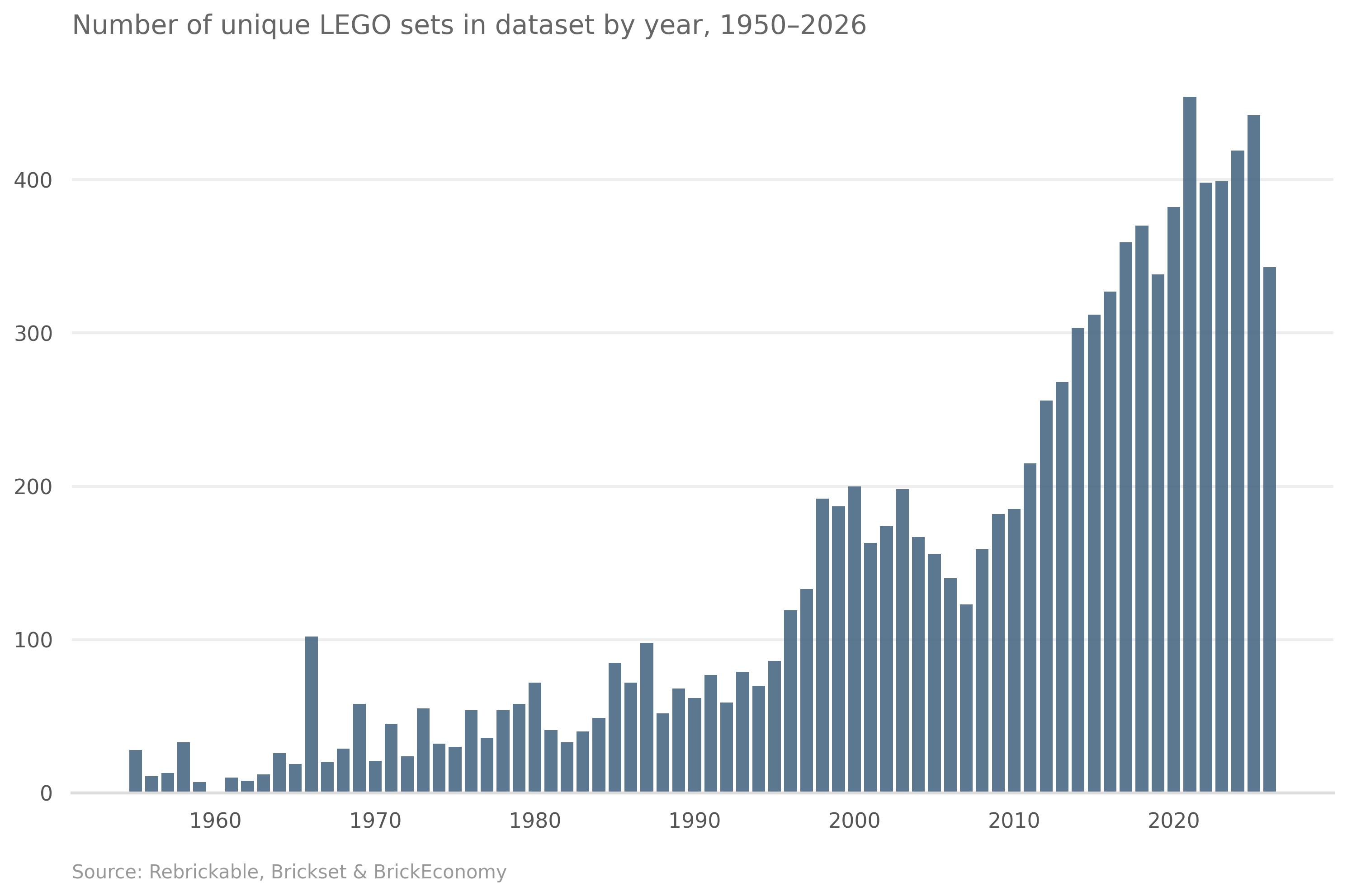
We can see a general trend in how many sets Lego's releasing each year. This dataset shows there are about twice as many Lego sets per year now as there were 15 years ago. There were about half as many sets per year if you go back another 15 years.
Before 1970 is pretty sparse, so I decided to limit the rest of our analysis to post-1970 for the rest of this article. I also cut data from 2026. The year's not done yet, and the CPI inflation data isn't out for this year yet, so I decided to use 1970-2025.
What do we mean, Legos are more expensive?
There are lots of reasons Legos could feel more expensive. It could be because of inflation. It could be because Lego sets are getting bigger, or something else entirely. We need to look at all these factors to understand what's going on with Lego cost.
Inflation
As time goes on, money is worth a little less each year. If we look back at the last hundred years or so, the annual inflation in most western nations is around 3% per year. While that's not much year-to-year, it adds up. This is especially true when you consider that for most of us, our childhood was at least 15 years ago.
If we go back to the example of the Millennium Falcon that I wanted when I was a little boy, that $100 set from 2004 would cost $180 in today's dollars. I added an inflation-adjusted price column to my dataset so we're comparing apples to apples and not apples to oranges.
More Bigger Sets
When I was little, Lego sets were designed for children. They were primarily toys to build and rebuild. Consequently, sets tended to be smaller and fit within birthday/Christmas present budgets.
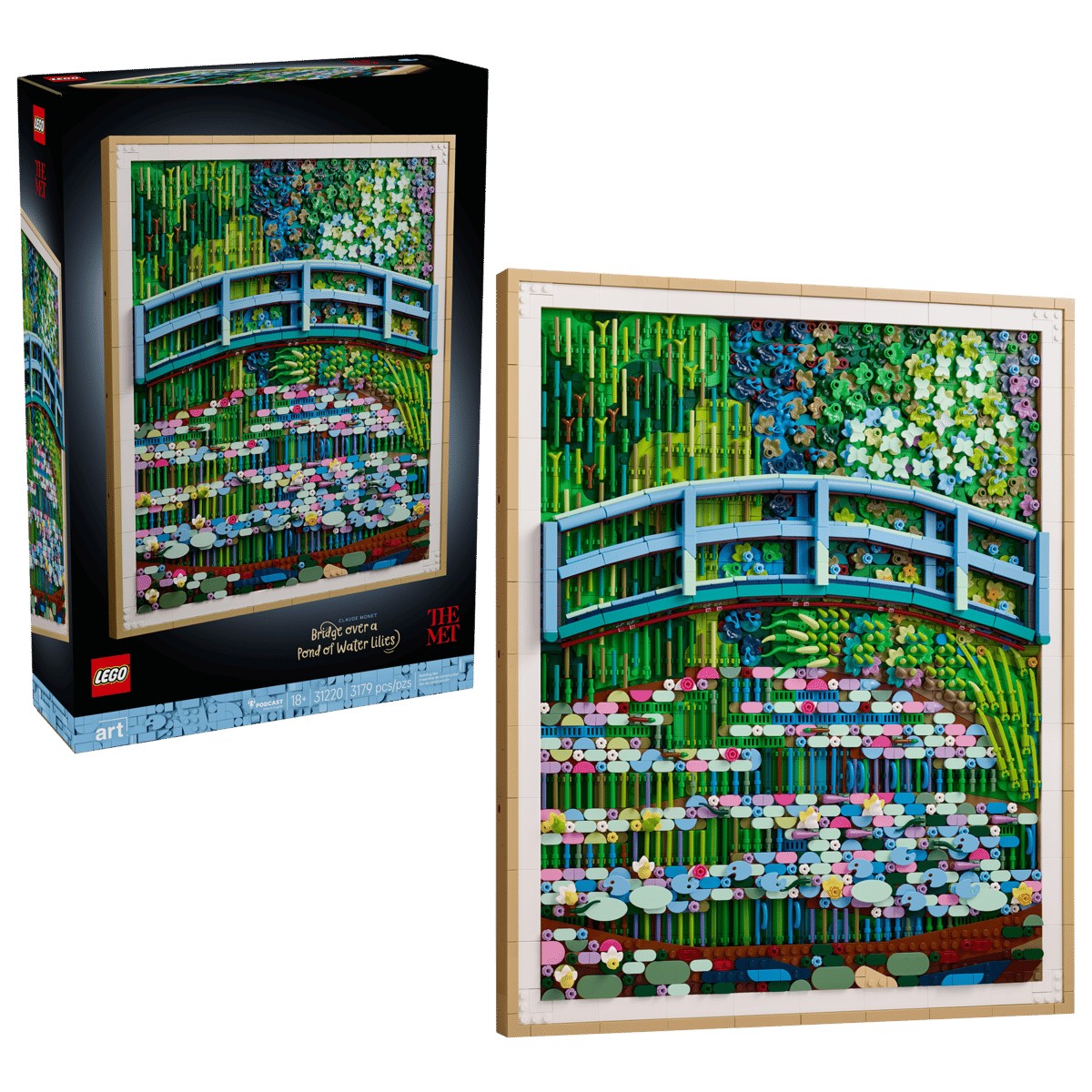
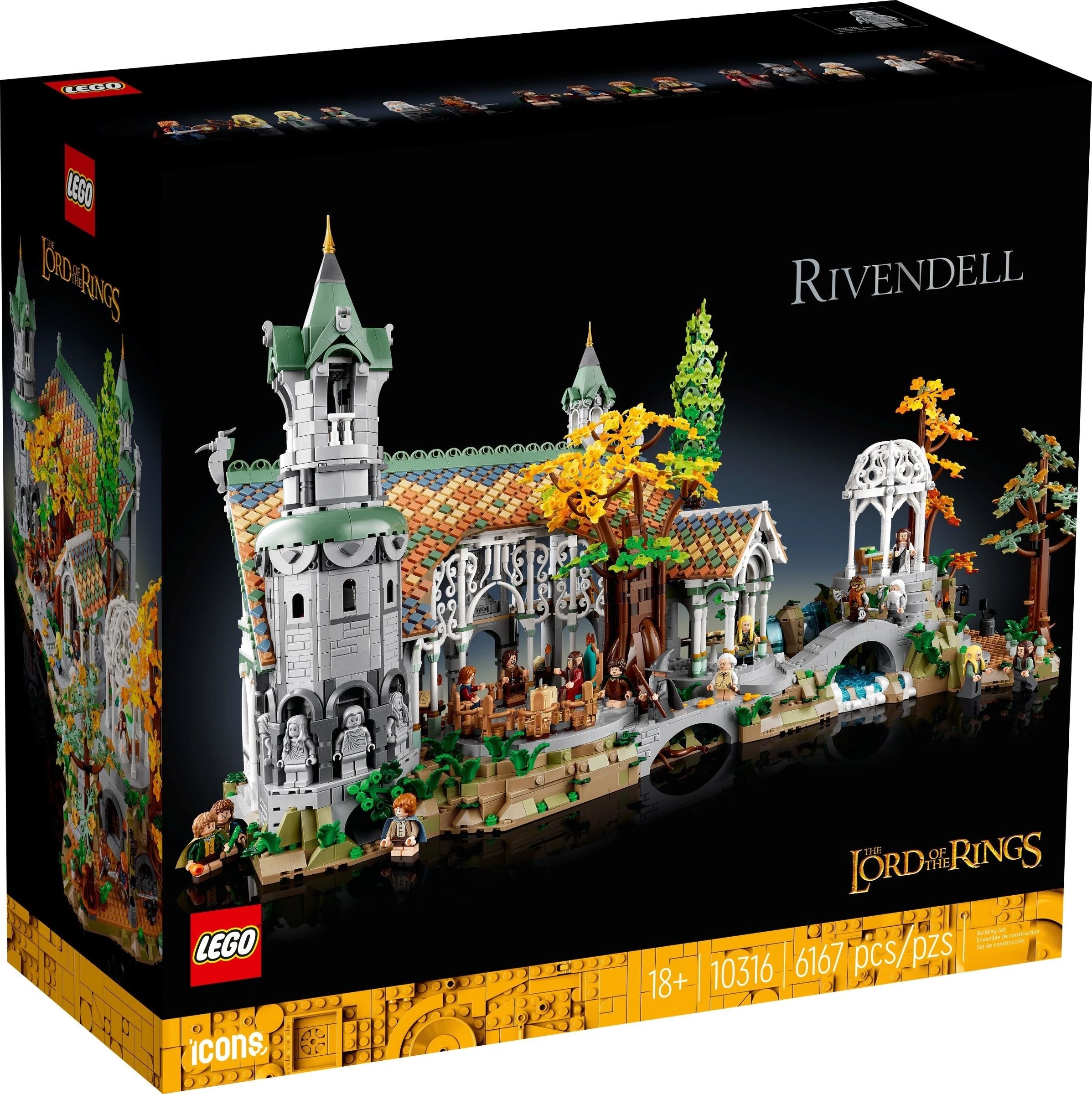
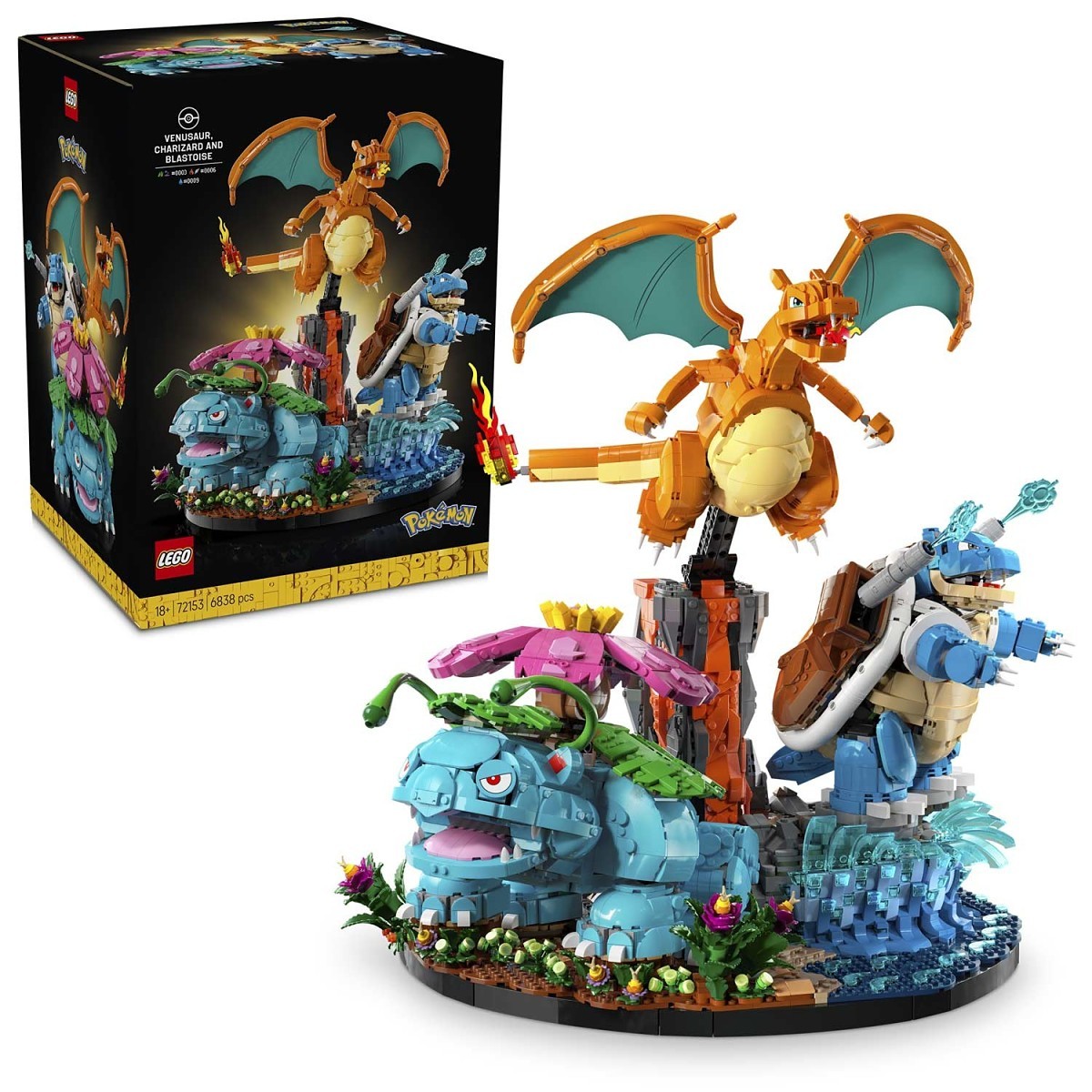
Starting in the 2000s, Lego began making display sets targeted at adults. These adults, who had grown up with Lego toys, had more disposable income to spend on Legos.
The Lego Group capitalized on this, releasing more and more display sets meant for adults to purchase, build, and display. These sets are branded with sleek, "adult-facing" boxes meant to evoke a premium feel.
So what does this look like empirically?
First off, I decided to plot the price of the most expensive Lego set released each year, in inflation-adjusted dollars:
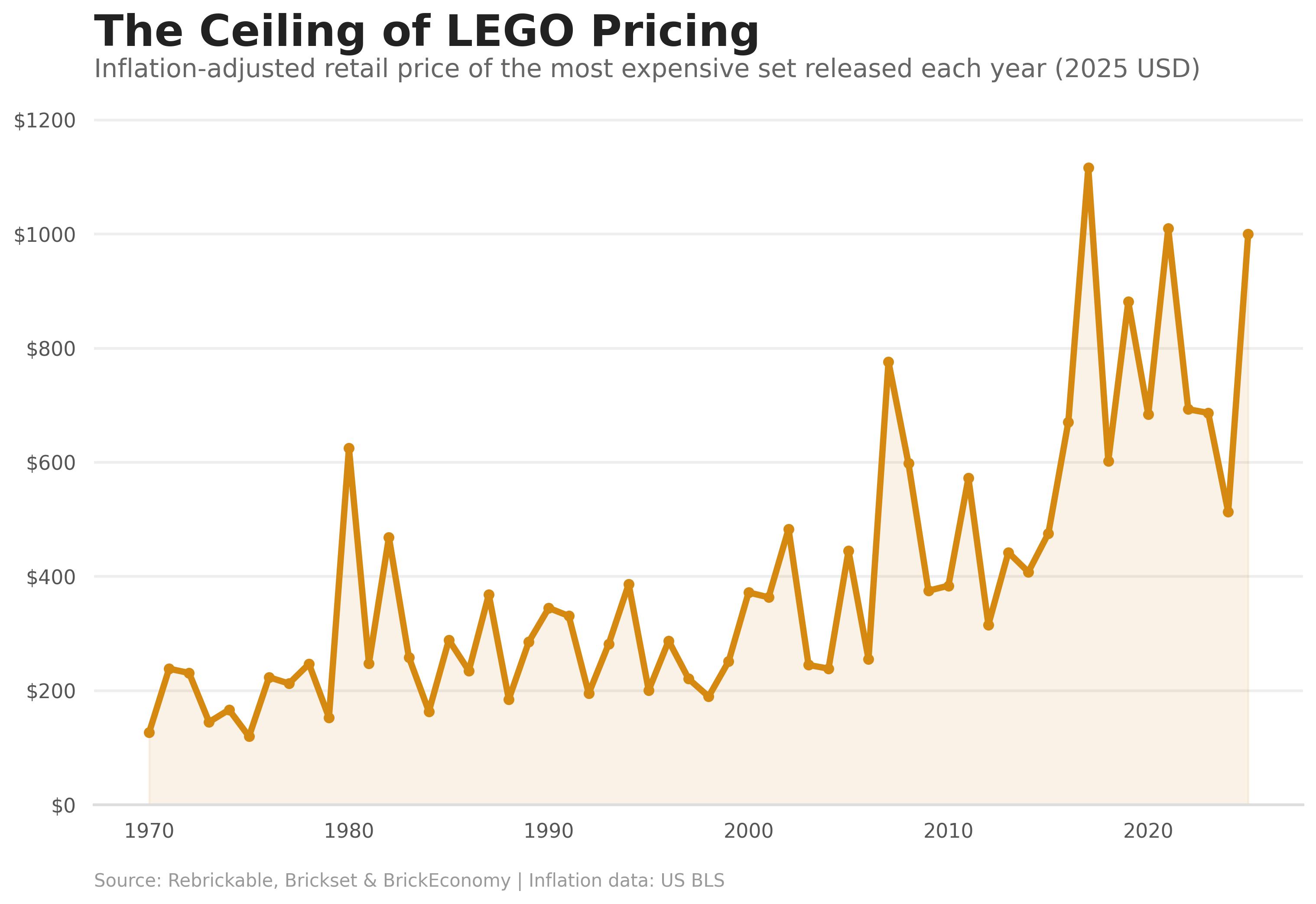
The trend is clear. Lego's biggest, most expensive sets are getting bigger and more expensive. With the exception of a spike in the early 1980s, the most expensive Lego set each year has roughly trended upwards.
What happened in the early 80's?
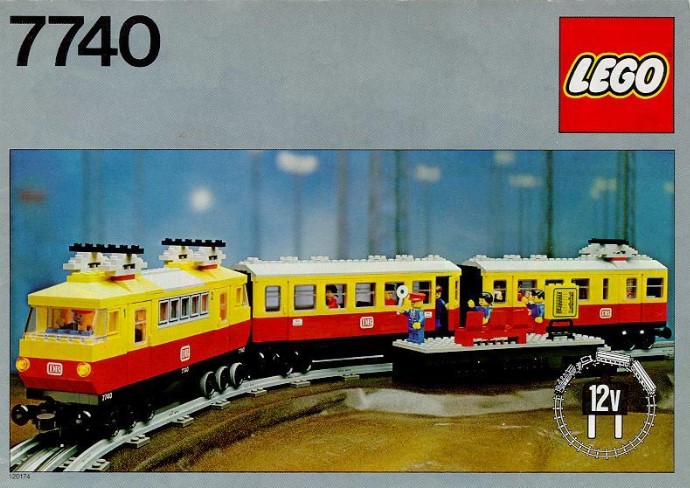
That spike in the early 80s corresponds to Lego releasing their first electric train line. The electric lights and working motors made these sets hugely expensive. This train retailed at $160, which is over $600 in today's dollars.
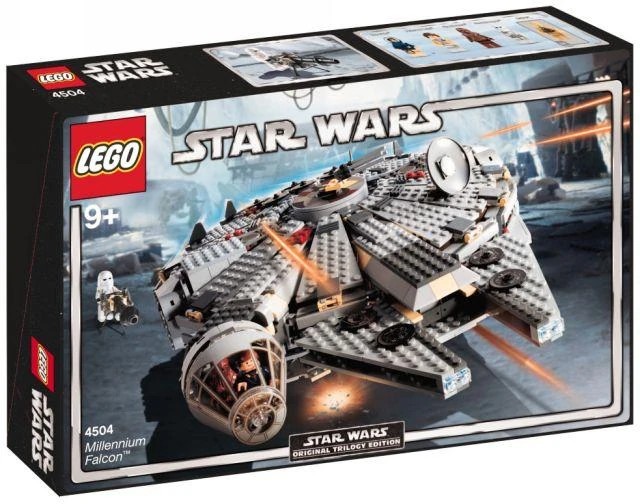
So Lego is making bigger and bigger Lego sets. Given that, my mental comparison between the 2004 Millennium Falcon and the $850 UCS Millennium Falcon isn't really fair. After all, the UCS Millennium Falcon has over 7500 pieces and weighs around 30 lbs. The 2004 Falcon has 985 pieces.
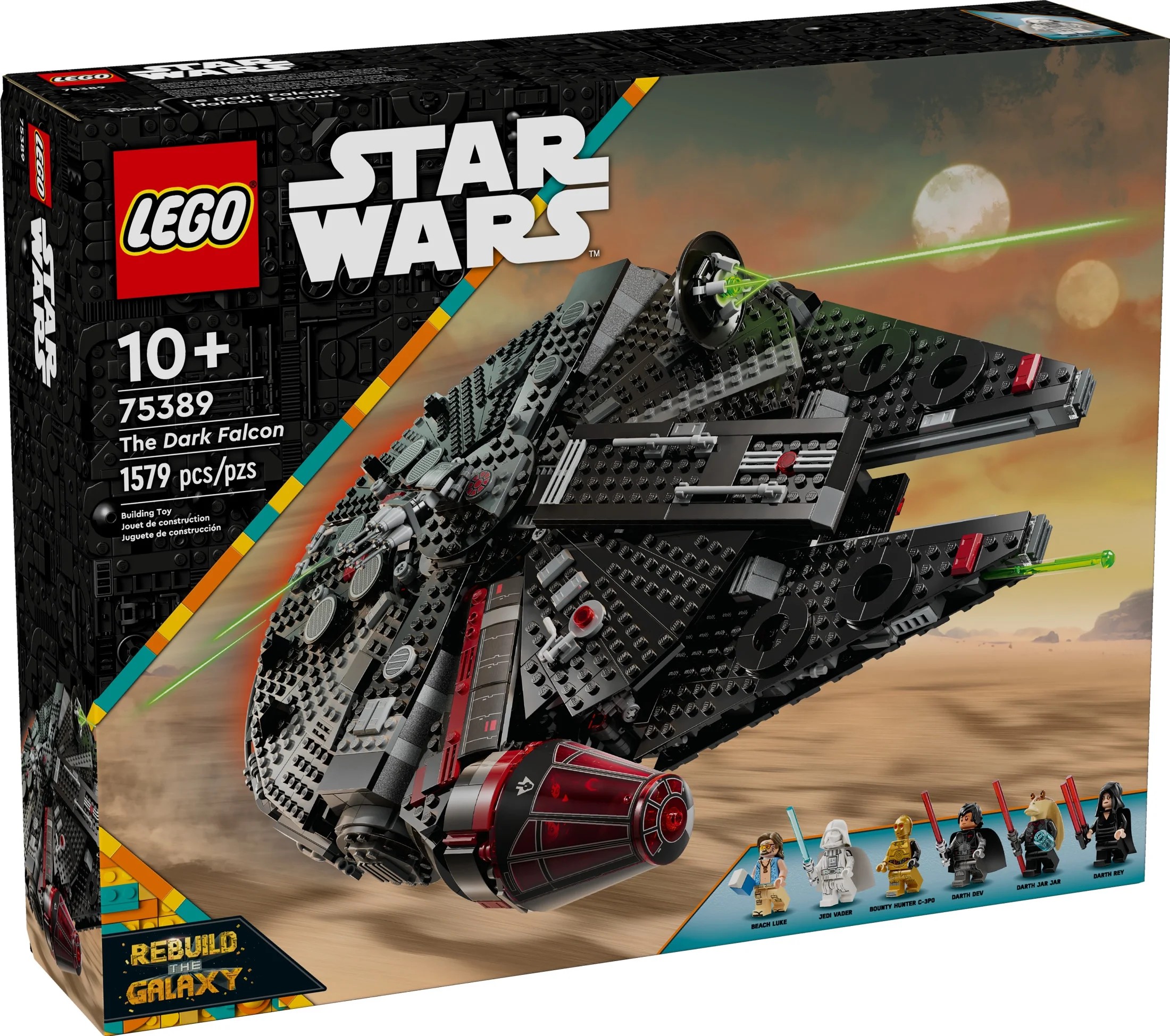
A much fairer comparison would be to compare the 2004 Falcon with the still-in-stores Dark Falcon. Now it's a different color (an evil version of the Millennium Falcon), but it's almost exactly the same size as the 2004 Falcon. The Dark Falcon has 6 minifigures, and the 2004 Falcon has 5. The Dark Falcon retails at $180, and after adjusting for inflation, the 2004 Falcon would cost the same amount.
So just looking at the most expensive set doesn't tell the whole story. What makes more sense is to break up the set values into price tiers: Small sets a child could buy on impulse, larger sets one might save allowance for, big sets that were reserved for birthday/Christmas gifts.
So I did just that. I broke up Lego set values into price tiers: $0-10, $10-25, $25-50, $50-100, $100-250, and $250+. Then, I calculated the proportion of sets that fell into each tier each year. I smoothed the chart with a 5-year rolling average. The results surprised me.
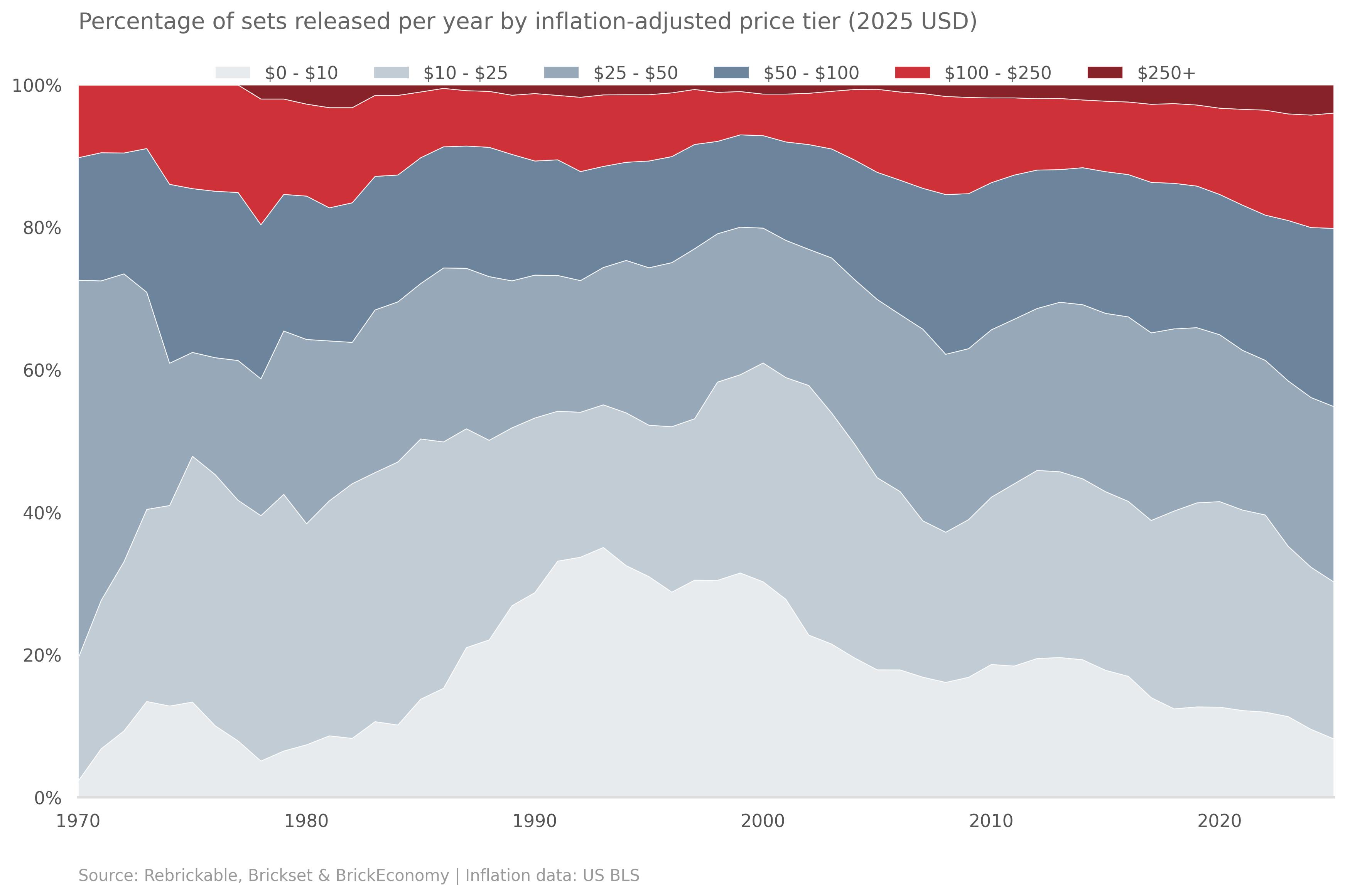
It's not really true that Lego sets are more expensive. The 2025 distribution is pretty similar to the distribution from the late '70s.
Lego had a cheap-set peak from about 1995 to 2005, when the proportion of cheap sets began to tick down. This matches my intuition from when I was a child in the early 2000s and Legos didn't feel very expensive. When I was little, half of the Lego sets cost $25 or less. Nowadays, only about 30% of Lego sets fall into that price range.
So one reason that sets feel more expensive today is that if you're under 40, the share of inexpensive Lego sets is lower than it was when you were a kid. But this only tells us that Lego is making more expensive sets. It doesn't tell us whether these sets are a better or worse deal. If Lego sets are getting bigger, how can we compare sets of different sizes?
Price-Per-Part: A Metric
One common way to compare Lego sets of different sizes is to look at how much each Lego piece costs. If you take the price of a whole Lego set and divide it by the number of parts in that set, you are left with a pretty good metric for Lego cost.
Note: Price-per-part is good, but not perfect. Bigger sets almost always have a better price-per-part (you can think of it as a bulk discount.) Also, it doesn't account for minifigures, which are generally fairly expensive per part.
I plotted the inflation-adjusted price-per-part across time, smoothing with a 5-year rolling average. However, the average was being yanked around by a few outliers, like a 12-piece train track set where each track part was worth $9.76. I re-plotted the median inflation-adjusted price-per-part:
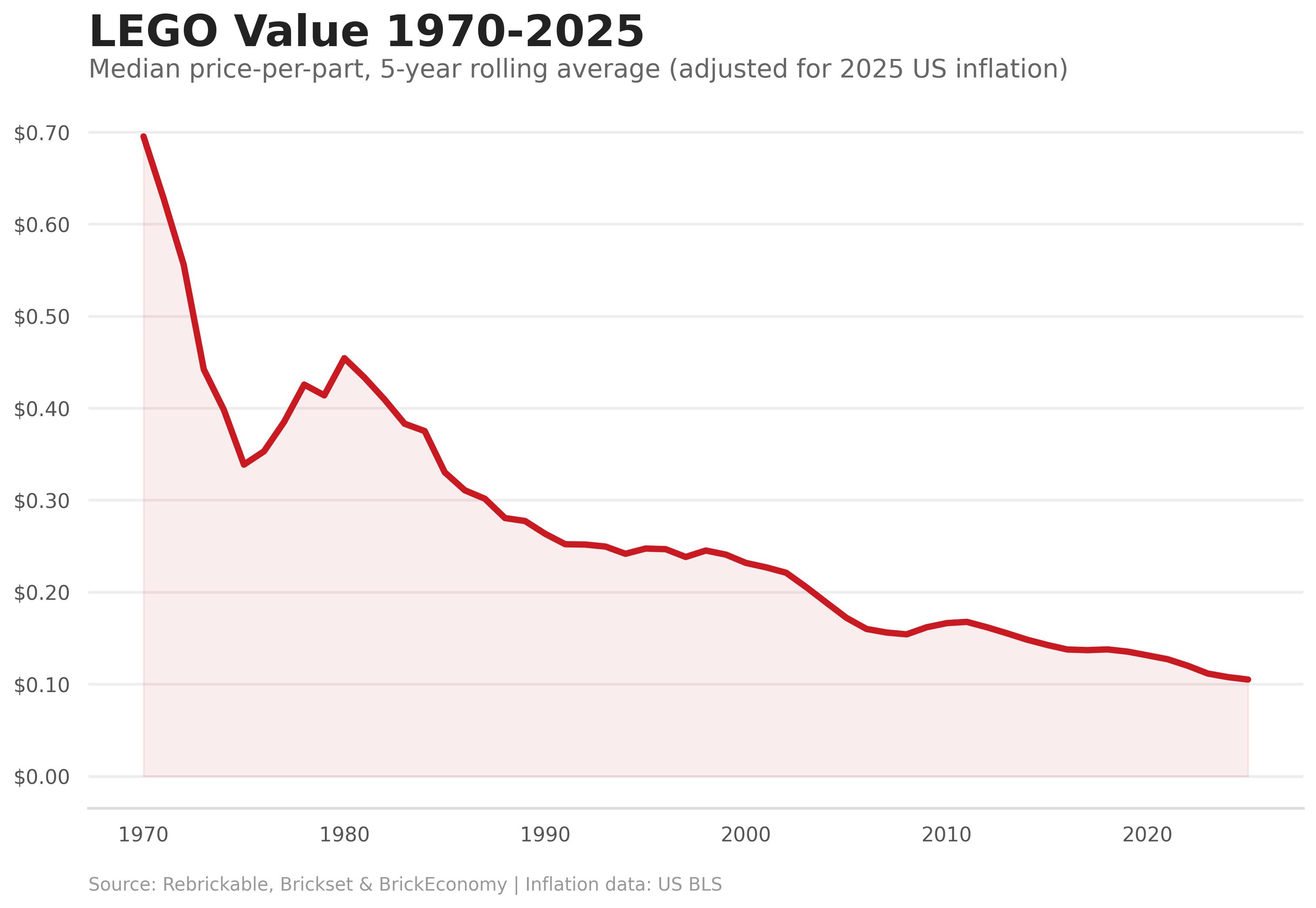
We see a spike in the early '80s because of changing set sizes, but even without that, the trend is clear: On aggregate, the price-per-part has been decreasing over time.
In 1970, a single Lego brick cost about 70 cents in today's money. Now it's around 10 cents, which is almost 7 times cheaper. Why is that?
Changes in Lego Sets
Compare the following two Lego sets, one from the 1970s and one from 2026.
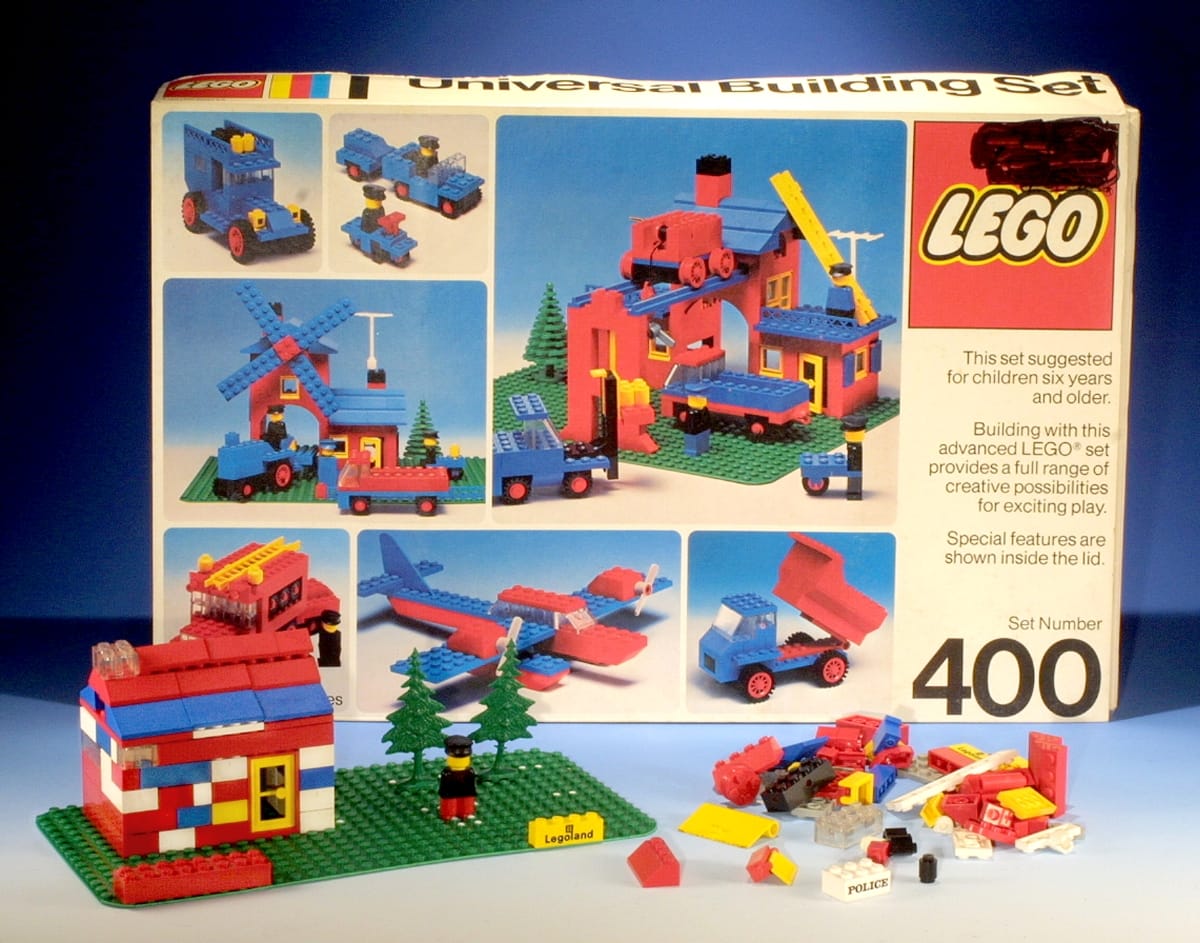
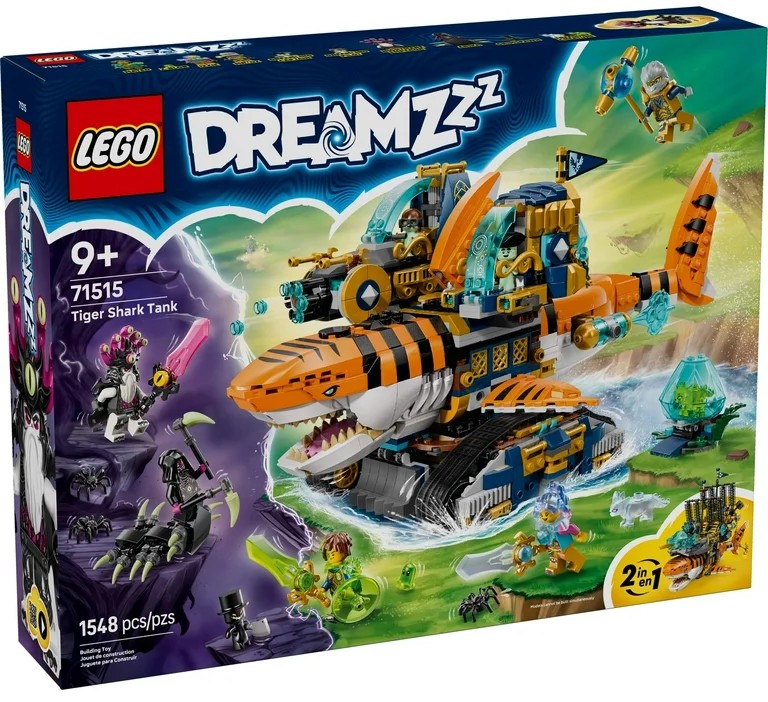
This is an interesting example. The 1977 set cost $24.99, which would be $132.76 in today's dollars. It had 294 pieces and 3 minifigures. The Tiger Shark Tank costs $139.99 in today's dollars and has 1548 pieces and 5 minifigures. While these sets are about the same price, the new set is relatively a much better value. The new set is cooler, more complex, and has 5 times as many pieces.
The Lego Group has gotten much better at manufacturing. This has driven prices down, while increasing the quality and variety of parts and minifigures.
Better Parts
As with many commodities, Lego sets have gotten more complex over the years. This increases manufacturing complexity. Back when Legos were mainly square and rectangular bricks in a few colors, Lego had a much simpler manufacturing process. Many of today's parts have complex shapes or prints.
As a point of comparison, look at two Lego police officer minifigures. One's from when my dad was a kid, and one is from now.


Note that the old police officer has one color of printing (simple design) on the torso, and uses a generic head. The new police officer has printing on the legs and torso, in 5 colors.
Legos today are better than they were back in the day.
Smaller Parts
Another reason the price-per-part is decreasing is that Lego has been putting smaller parts in their sets.
Price-per-part is an imperfect but useful measure of how expensive a Lego set is. Of course, some Lego pieces (like large baseplates) are much more expensive than tiny 1x1 bricks, simply because they use more plastic. A set full of teeny pieces would have a better price-per-part than a set with lots of large, specialized parts.
As I mentioned earlier, price-per-part is not perfect. Older Lego sets used to have larger pieces than they do now. Consider the following two example sets:
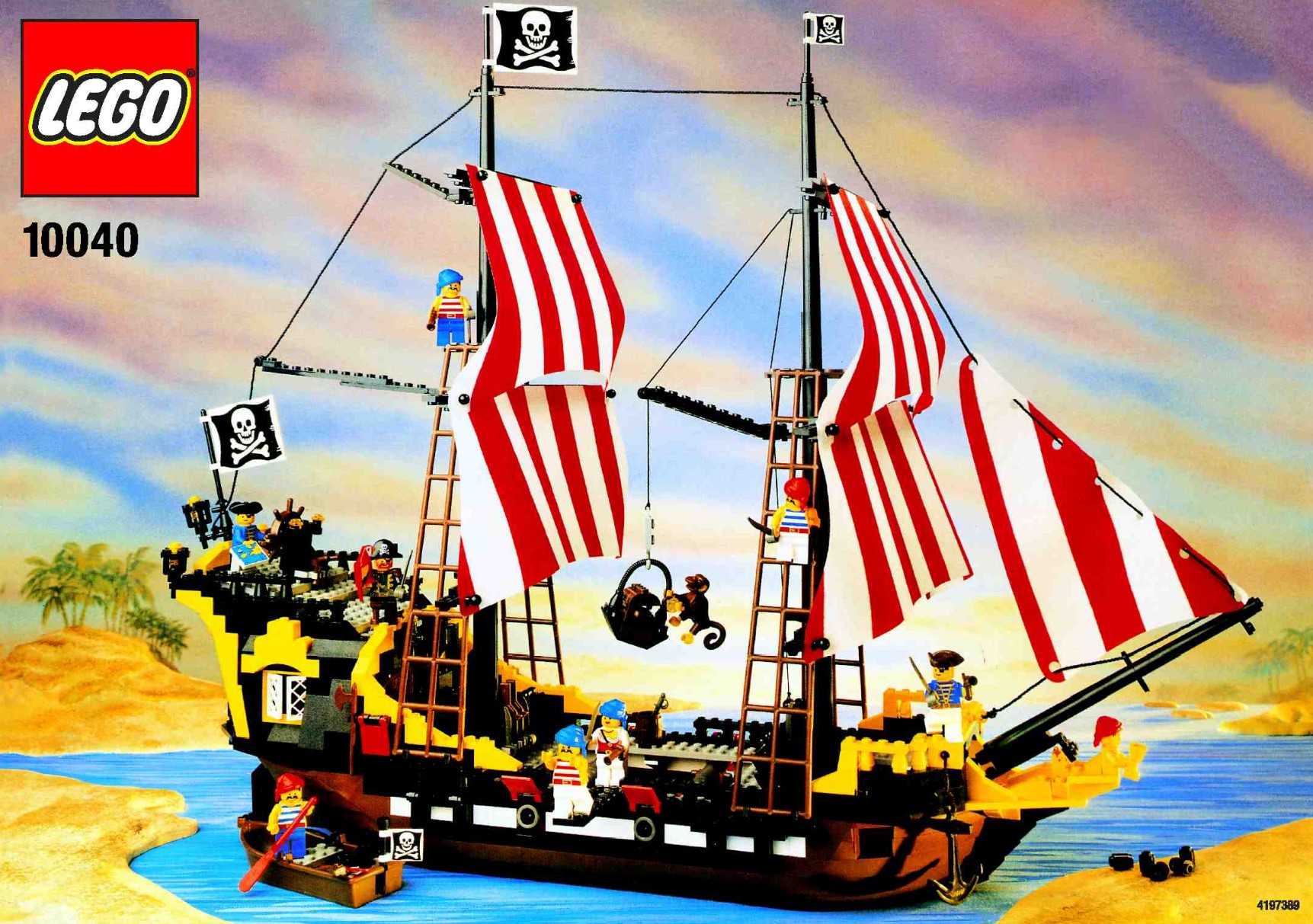
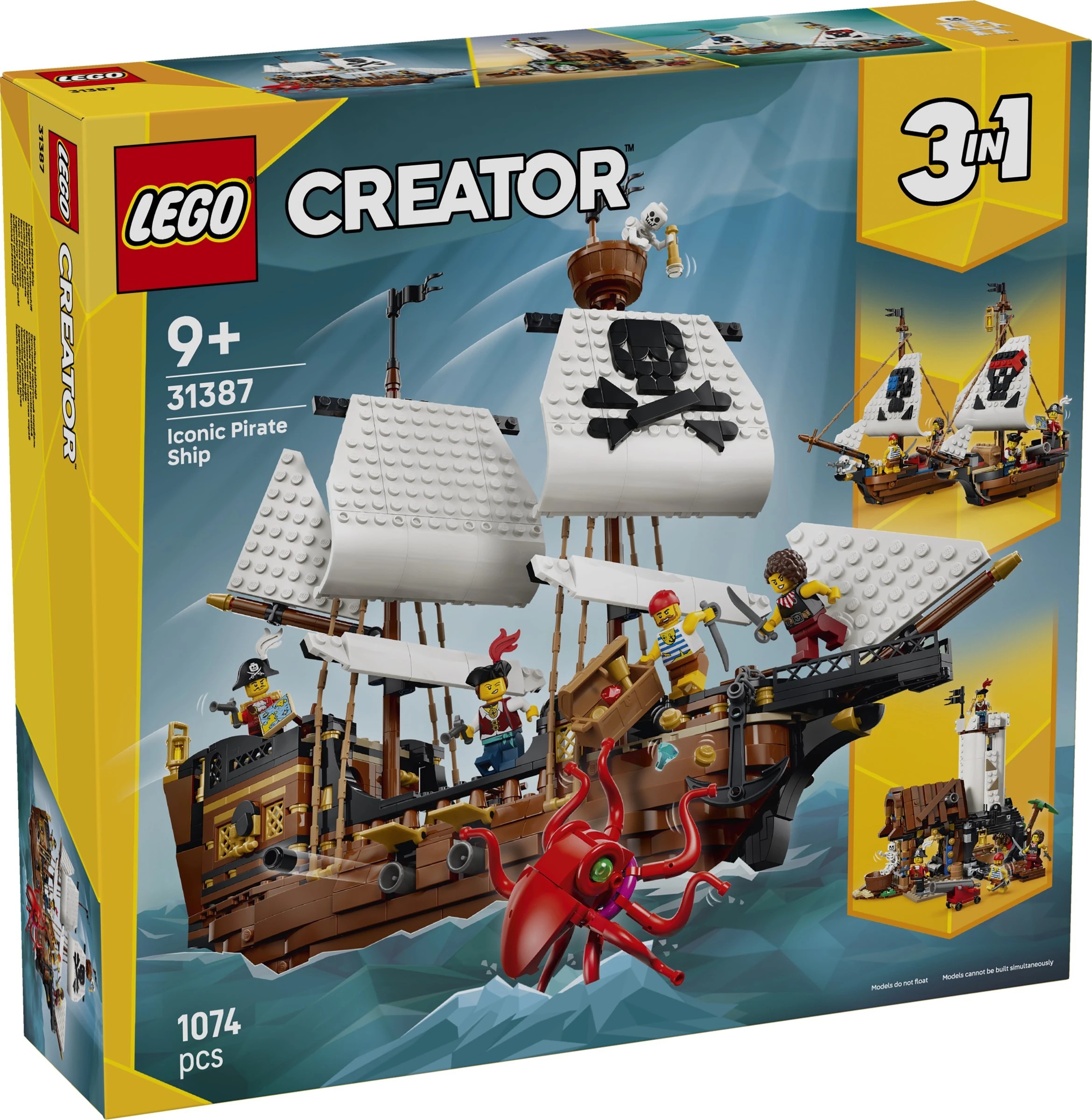
The Black Seas Barracuda (Left) reissue from 2002 has 871 parts and 8 minifigures, and retailed for $90 ($161 in today's dollars). The Iconic Pirate Ship (Right) came out in 2026 and has 1049 parts and 5 minifigures. It costs $110 (about 2/3 the price of the Black Seas Barracuda). If you look closely at both builds, you'll notice the hull of the Barracuda is made of 5 giant "boat pieces," whereas the Iconic Pirate Ship is made of hundreds of smaller, individual elements.
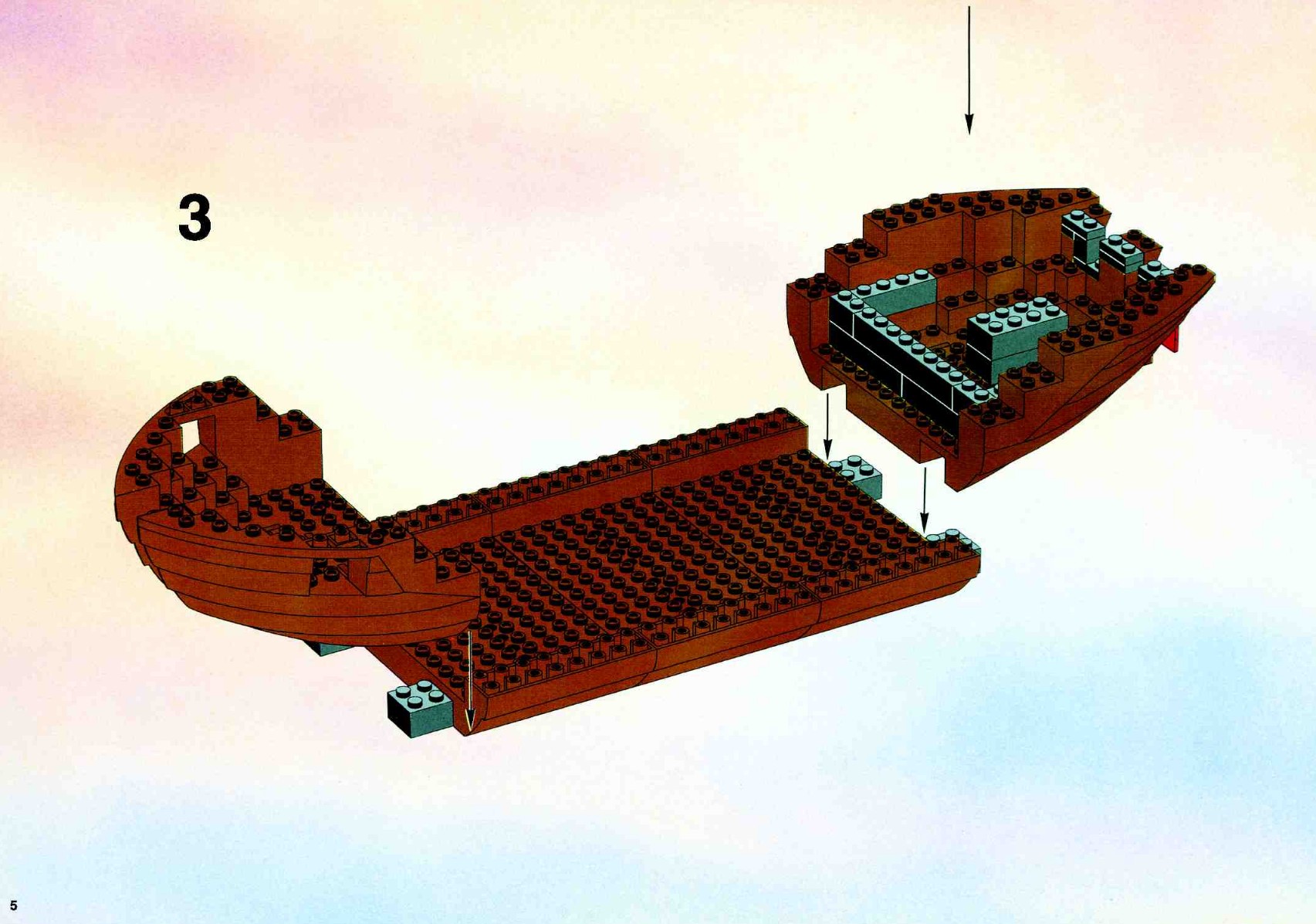
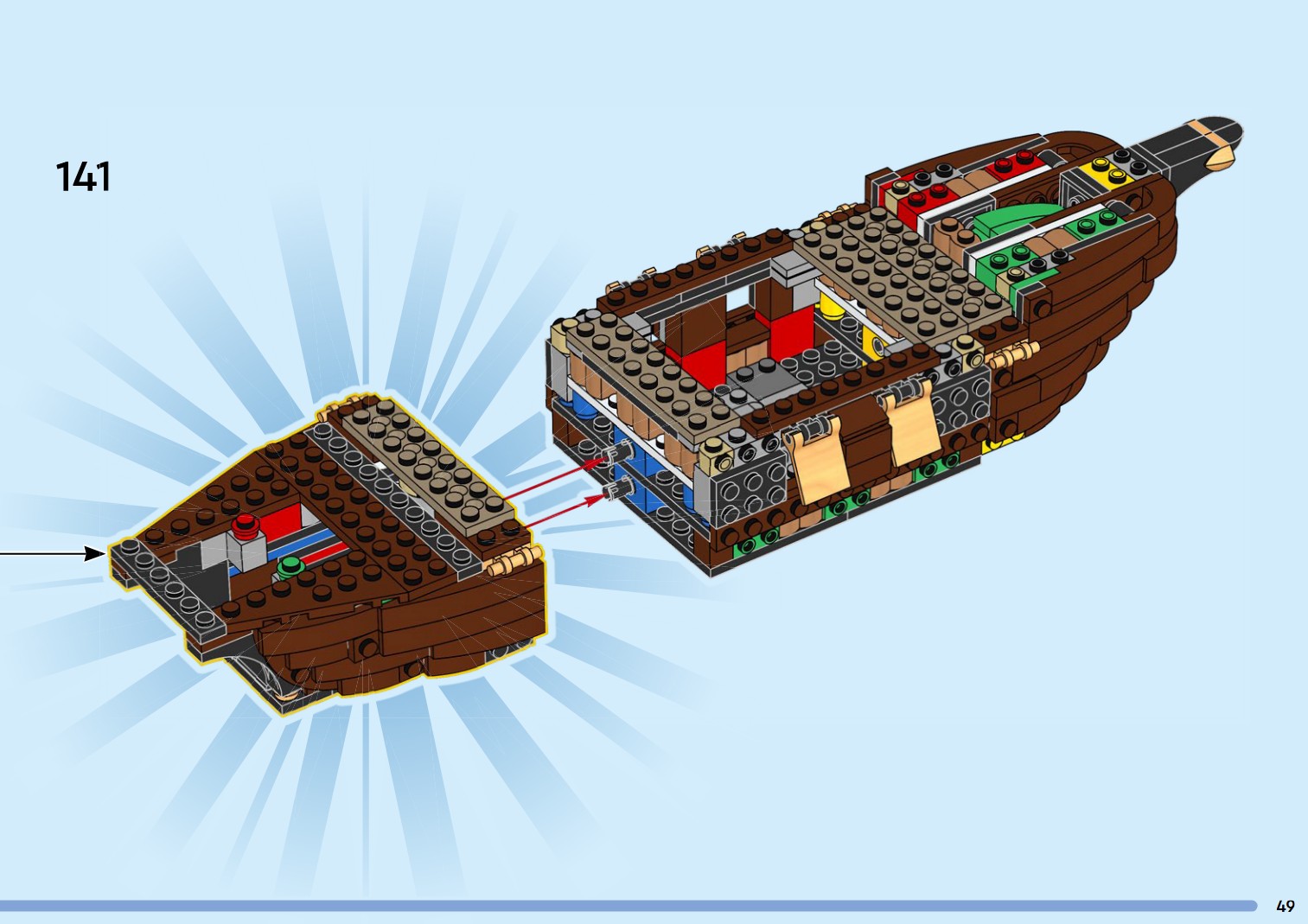
Most builders prefer this new system. Big boat pieces can only be used as boat pieces, but smaller pieces can be built into lots of things. However, cynical commentators have accused Lego of "padding their piece count" with this transition.
Let's look at a few examples of how Lego prices have behaved over the past 10 years.
Case Study: Collectible Minifigures
In 2010, Lego began releasing collectible minifigure blind bags. These bags had a mystery minifigure inside and retailed at $2. These have been wildly successful. Lego has released 28 more series of blind bags. Today, Series 29 retails for $5.
At first glance, this seems crazy! The price of a minifigure has more than doubled? That can't be right.
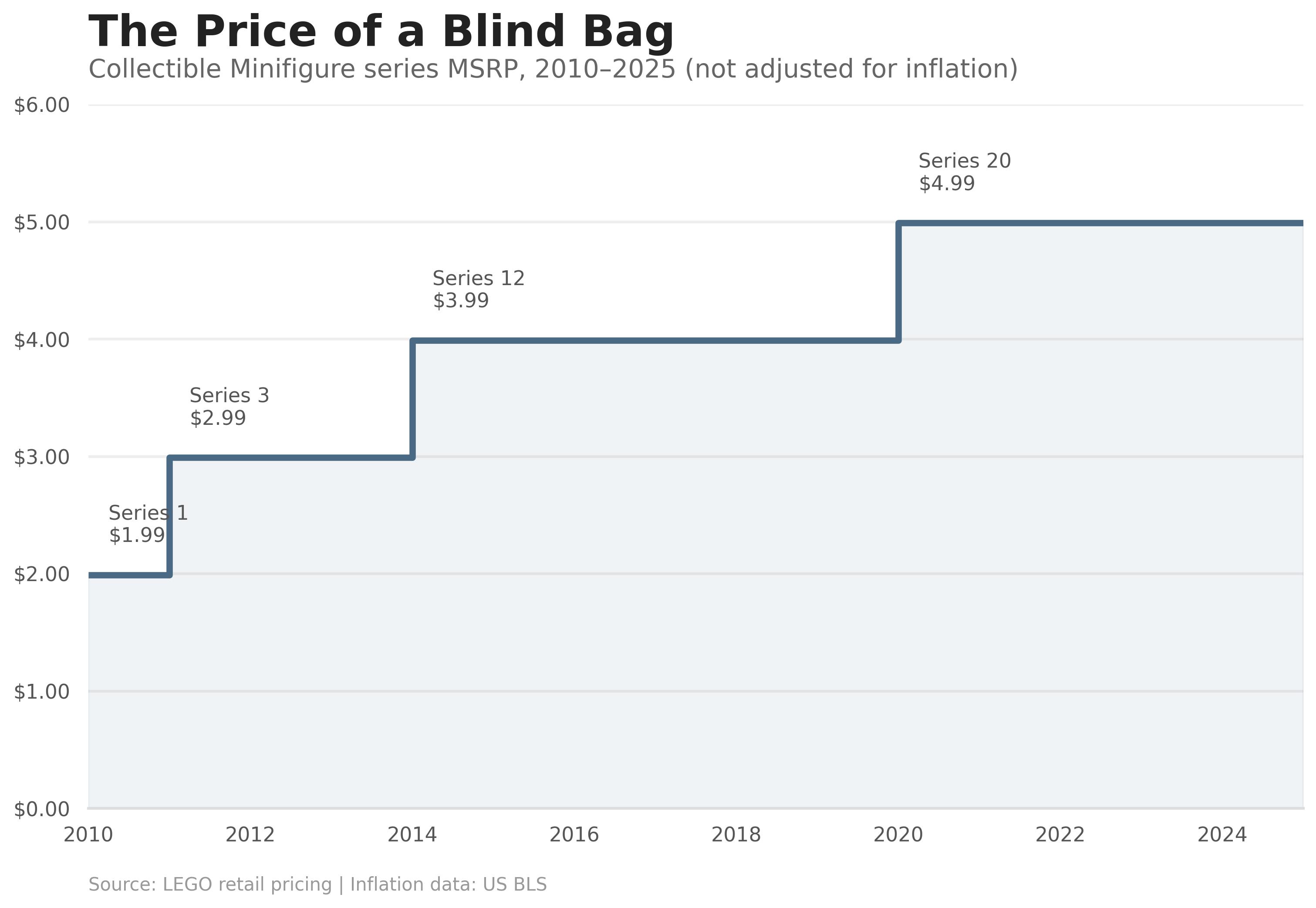
So what happened? We see that the price of collectible minifigs has stepped up by about a dollar every few years. It started with Series 1 at $2, then Series 3 at $3, followed by Series 12 at $4, and finally Series 20 at $5. But inflation's been happening this whole time. Here's the price adjusted for inflation.
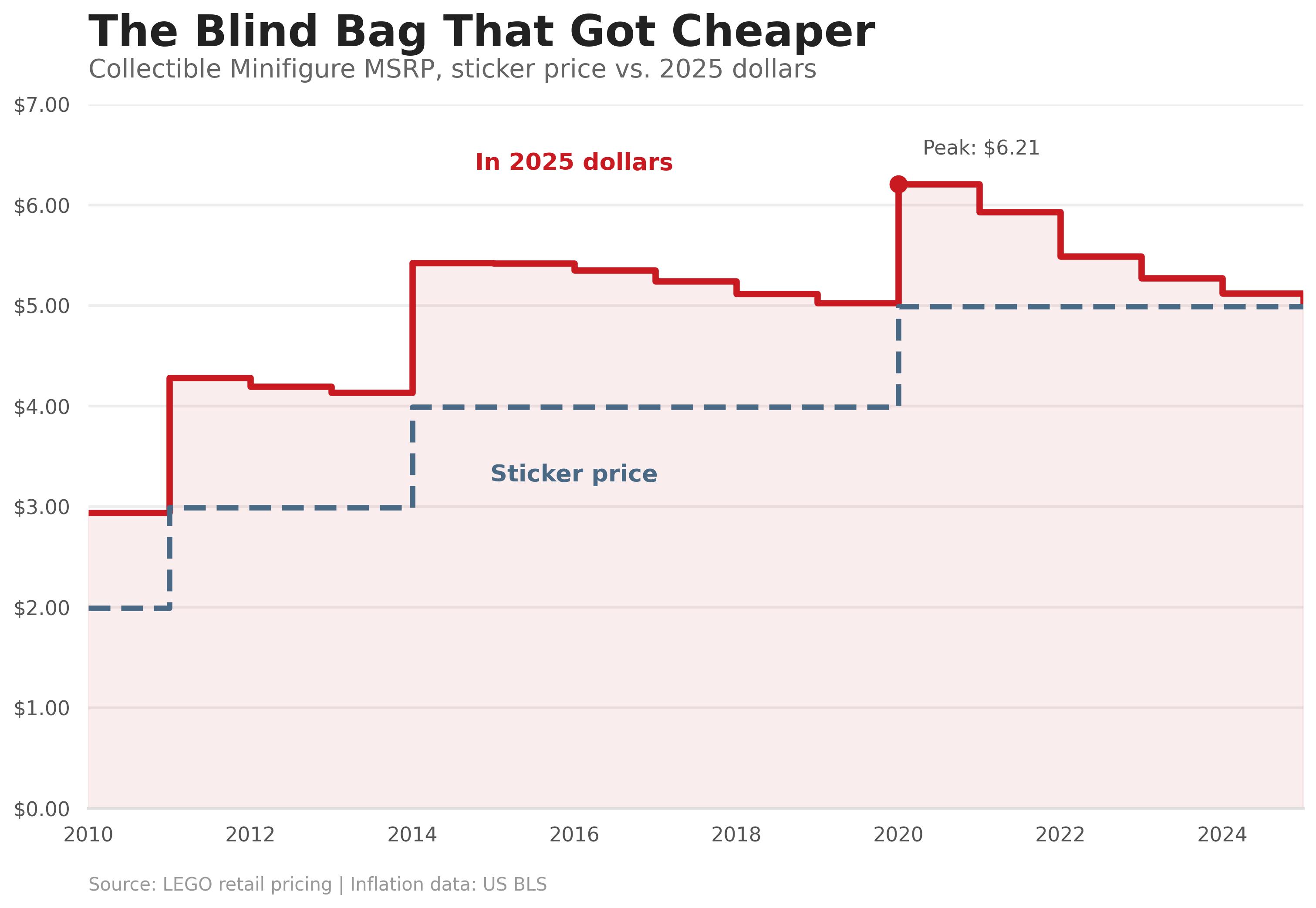
So every few years, Lego has increased the price, and the actual price paid by the customer has "fallen" as the price stays the same and inflation increases. Adjusted for inflation, CMFs now are cheaper than or the same price as they've been since 2014. That's over a decade.
But what was going on from 2010-2014? It seems to me like series 1 was an artificially cheap loss leader that Lego used to try and drive sales to the CMF series. If collectors started buying them, they'd be locked in to recurring purchases as long as Lego was making them.
Just as with other sets, Lego has changed the quality of the CMF series over time. Compare these two figs, one from the first series, and one from the latest:


Most of the original CMFs had few accessories and lower quality printing. Modern ones have more accessories (up to a whole unicorn).
Licensed Themes - a Wallet Killer?
One other thing that fans often bring up is a percieved markup on licensed themes. Whenever Lego makes a Star Wars set, they have to pay money to use those characters. When they make sets from their own IP, there's no additional overhead. Fans have claimed that these licensing fees are making some themes more expensive. However, if we plot price-per-part over the last 15 years, we see that all themes are getting less expensive as a trend, regardless of license.
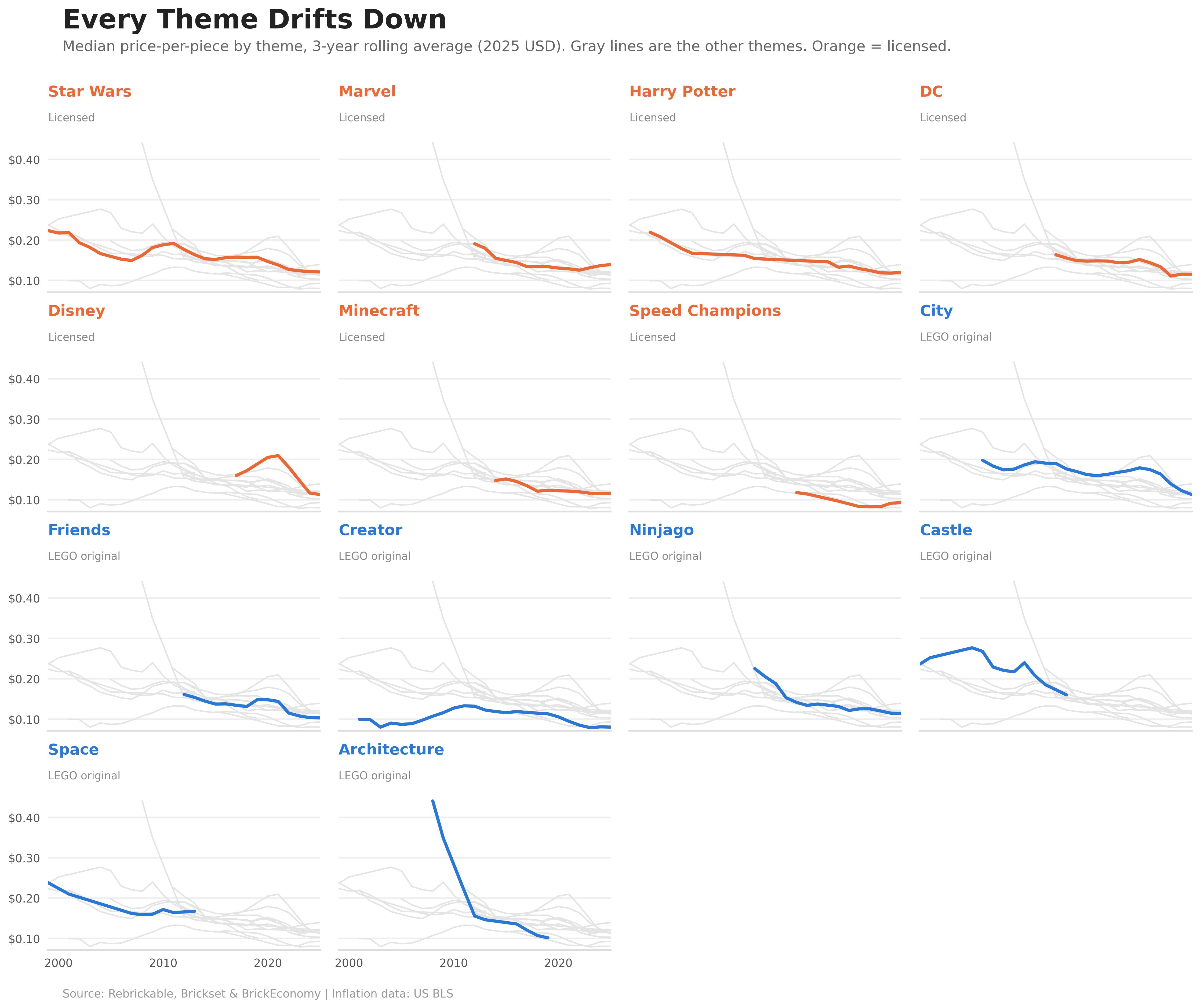
For this analysis we hold piece and minifig count equal. (It would be an apples-to-oranges comparison to compare big and small sets) On average over the last 25 years, licensed sets cost about 5% more than unlicensed ones, but that's not a huge gap.
This premium is growing. In 2012, the markup was under 5%. In 2016, it was 6.7%. In 2020, 8.2%.
In reality, Lego controls the premium, not their licensers. We see that across the last 25 years, the highest premium is on Lego's architecture line. Lego decided to make that a premium line, not some IP holder.
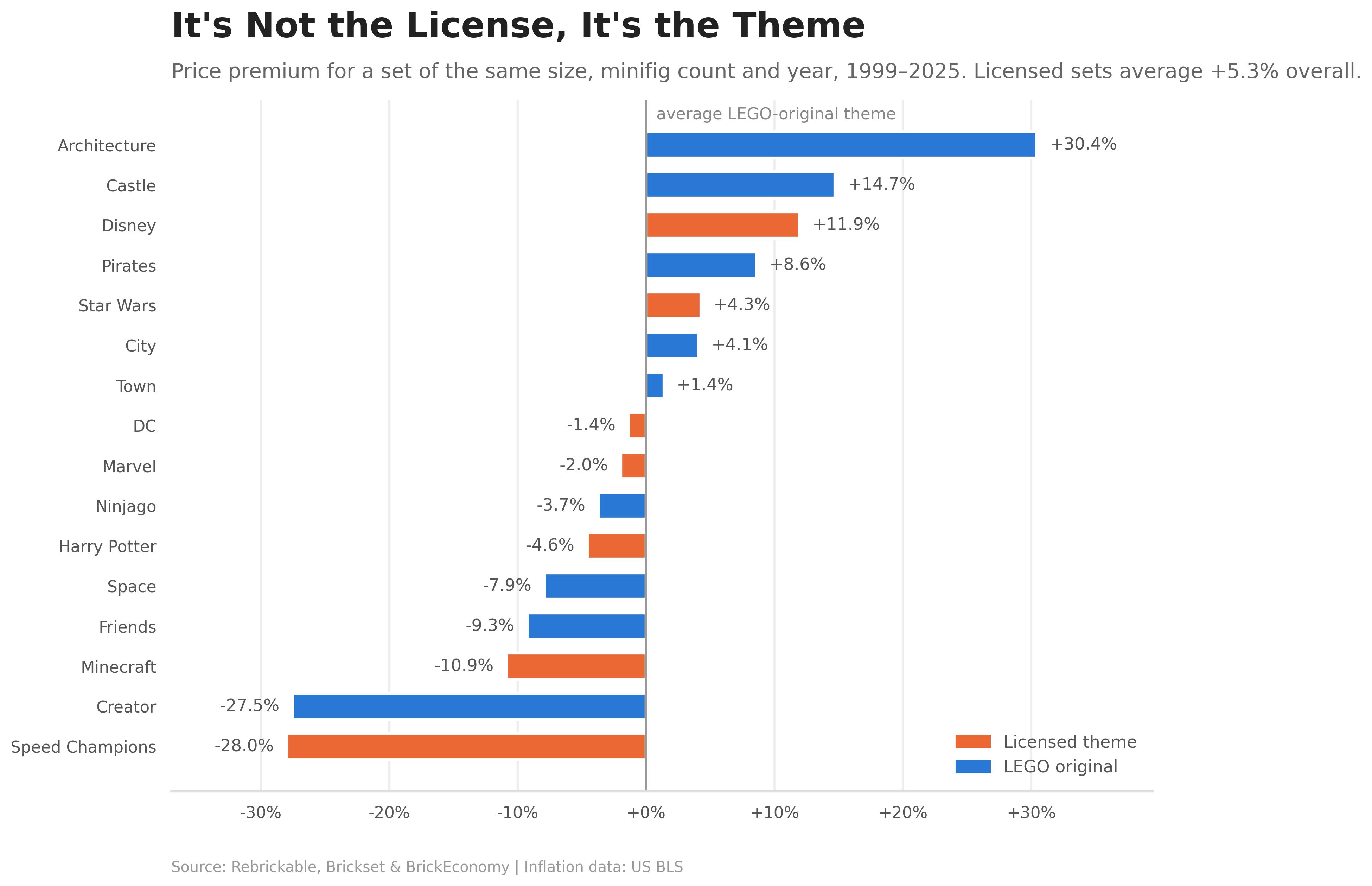
This graph is, of course, imperfect. The architecture sets have no minifigs, which tend to eat up the value of a set. A 500-piece set with 5 minifigs usually costs more than a 500-piece set with no figs. So architecture's premium is even higher than the graph suggests.
This also makes Star Wars look better than it is. In reality, the average Ninjago set has twice as many minifigures as the average Star Wars set.
I was really suprised by this finding. I feel like some licensed themes (Disney, Marvel, Star Wars) have been waaay more expensive recently. Look at this example from two sets released in 2026, both of which retail for $44.99.
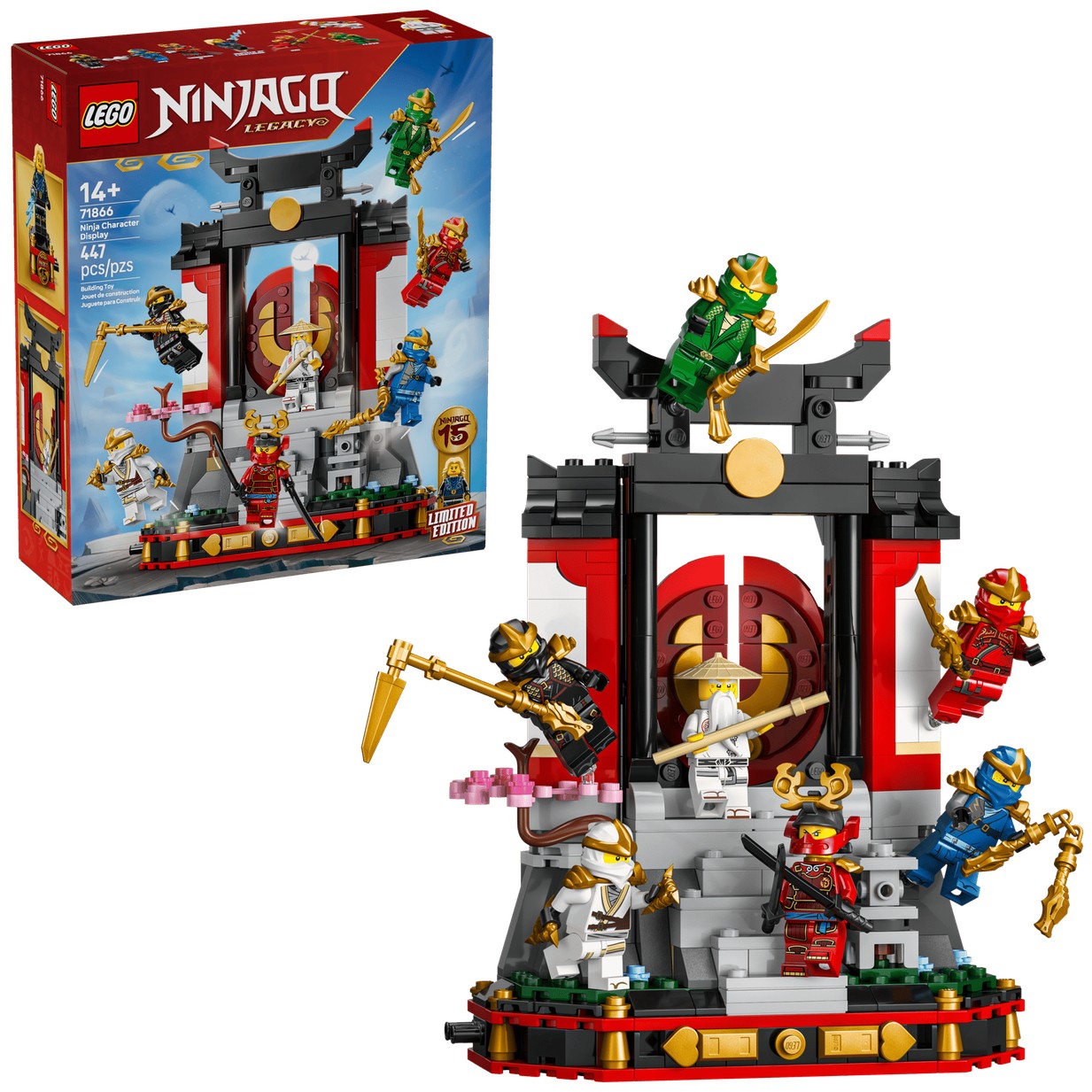
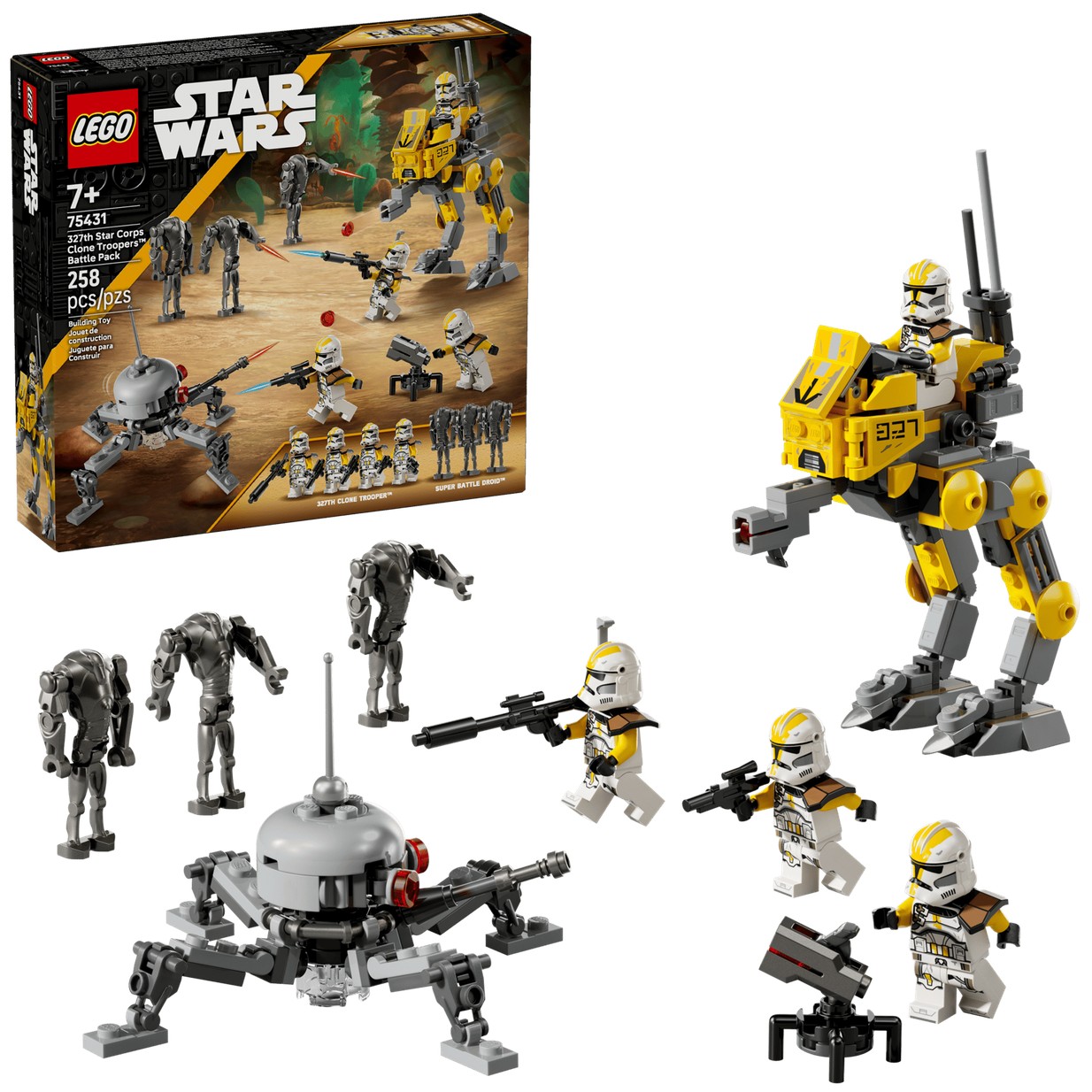
Now at first glance, the box art makes them seem pretty comparable, but they really aren't. The Ninjago set has 7 premium figs and a big display, for a total fof 447 pieces. The clone troopers have only 4 premium figs (the battle droids don't count), no display, and only 258 pieces. Obviously the Ninjago one is a better deal.
Thinking about it, I realized that most of these licensing markups I've noticed have been pretty recent. I decided to re-run on just data from the last 10 years. This analysis tells a different story.
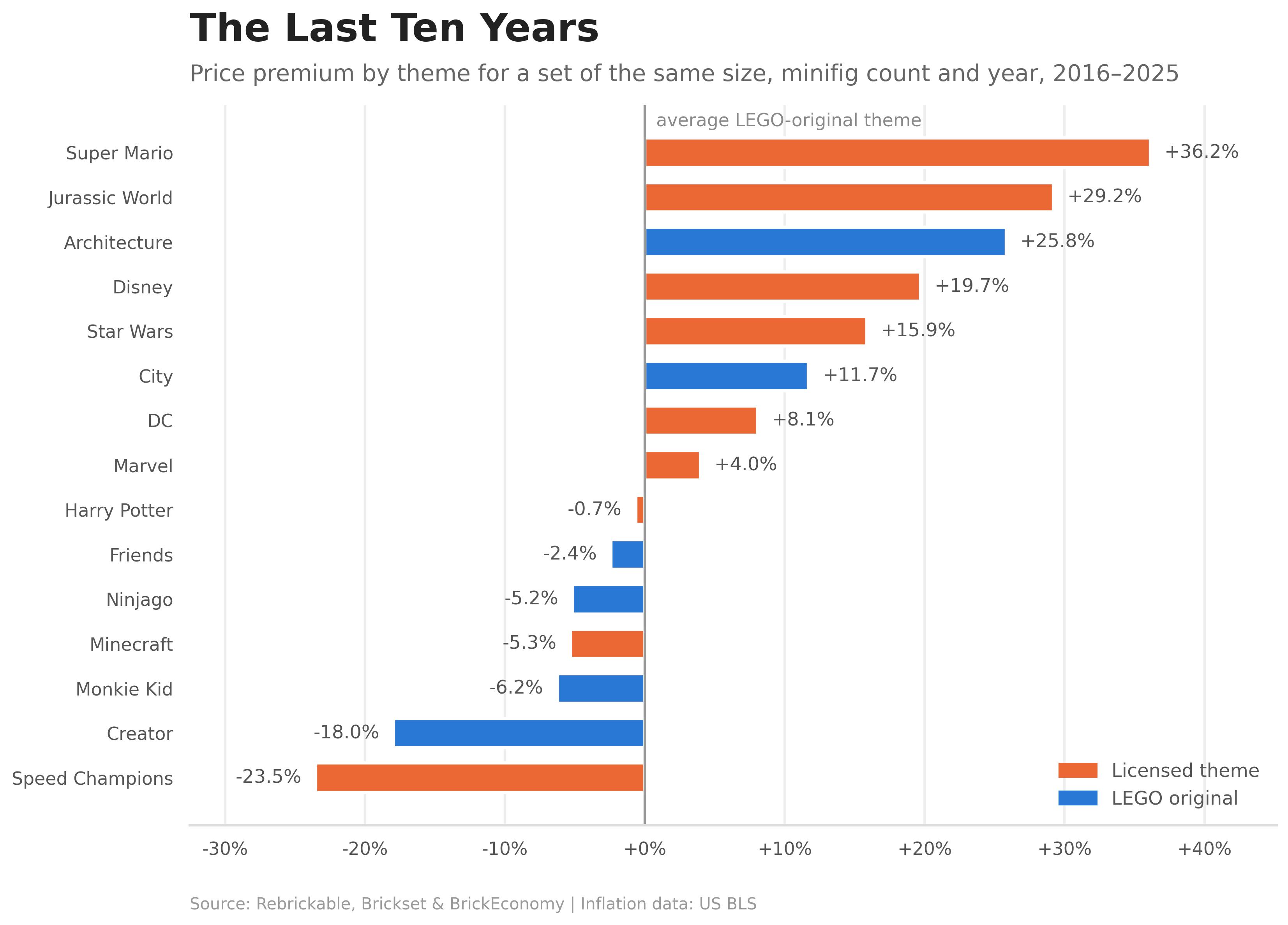
Most licensed themes have been more expensive for the last decade. There are a few exceptions. Minecraft's licensing fee is clearly nominal, and the Speed Champions will license car models from real manufacturers, but they stay cheap by having more tiny pieces and few minifigs.
If you want a good deal on cool sets, you might want to steer away from licensed themes. As one more example, let's compare two more sets that released in 2026, one licensed and one not.
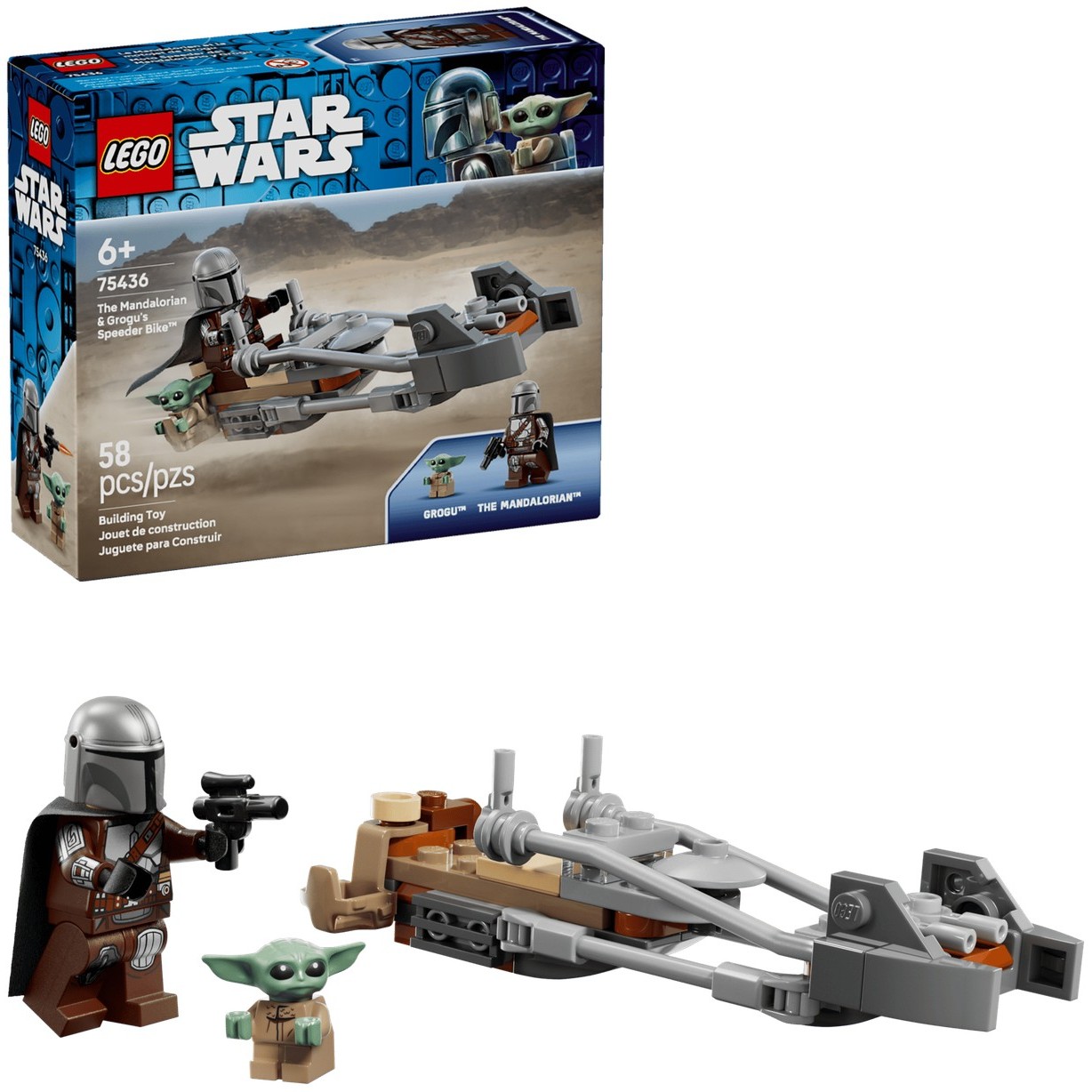
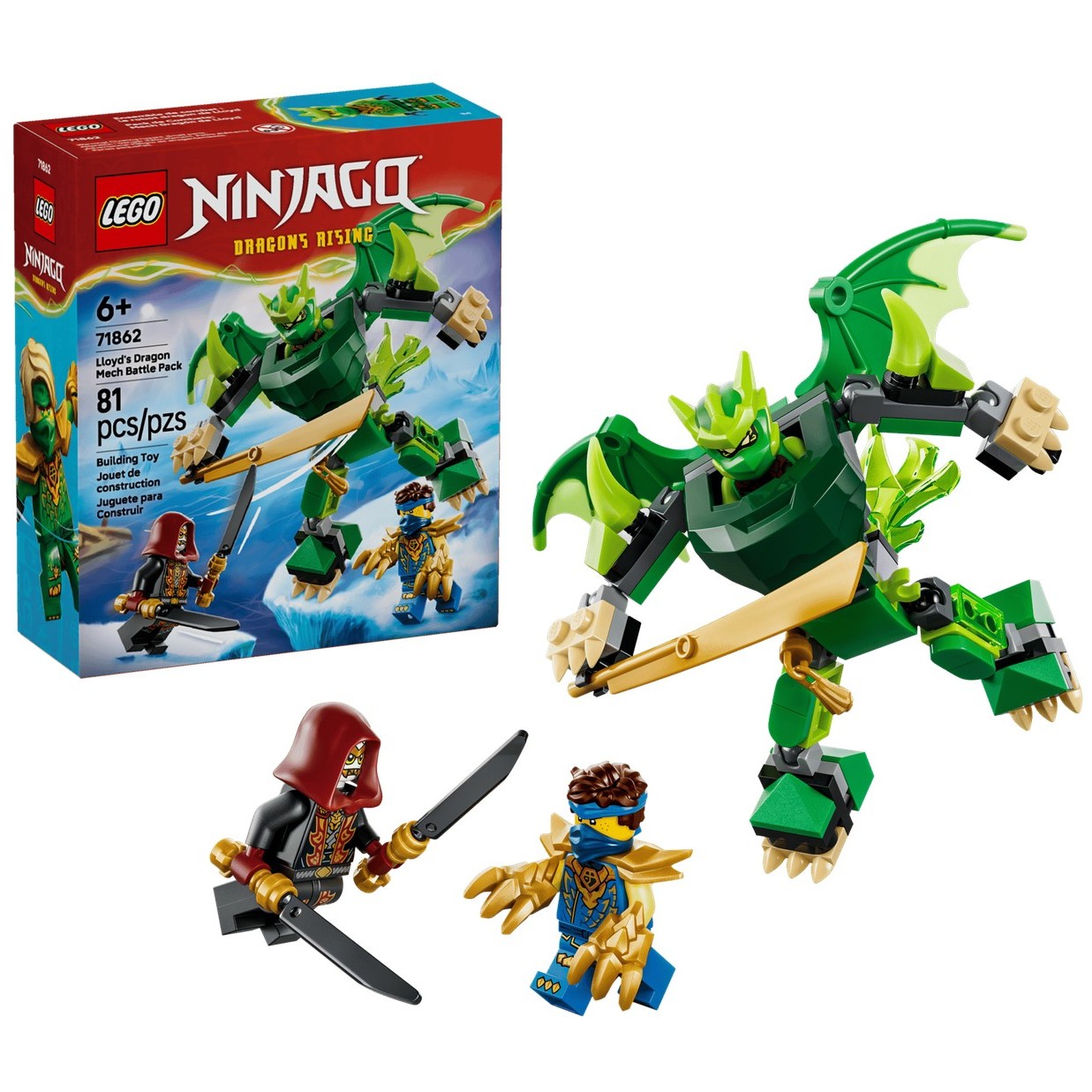
Both of these sets cost $10, but one has 3 minifigures, and the other has 1.5. Also, the Ninjago set has over 25% more pieces in addition to having a whole extra fig.
Sets like this are a similar value to sets from the peak of the "cheap set era" in 2000. Here are a couple of sets that retailed for $4.99 in 2000 ($9.89 in today's dollars.)
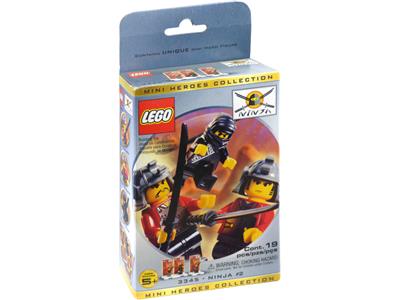
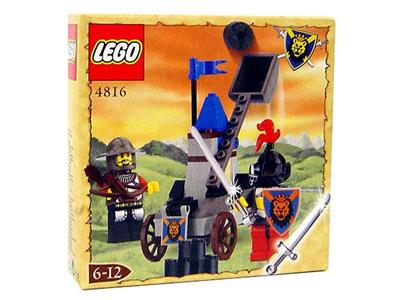
The 3 ninjas set is just 3 minifigs with stands. Compare that to today's set that gets you 3 ninjas and a mech. The knight's catapult has 2 figs and 48 pieces. These are both pretty comparable to the 2026 sets in size and features. Although licensed sets are a little bit worse of a deal, cheap sets in 2000 and 2026 are roughly the same value.
Conclusion
The perception that Legos are getting more expensive isn't backed up by data. Per brick, Legos have been getting steadily less expensive for the last 50 years. The quality and variety of parts has also been increasing over this time.
So why do Legos feel more expensive?
- Inflation: Everything costs 1.5-2.5x what it did when you were a kid.
- The biggest sets are more expensive: The most expensive Lego sets cost more than they used to.
- Fewer cheap sets: From 1995-2005, Lego had a proportional spike in cheap sets. Nowadays, a lower percent of the Legos on the shelves are inexpensive.
- Licensing fees: Certain themes, like Disney and Star Wars, have premium markups.
These factors combine to create a perception that Legos are more expensive than they used to be. Per part, Legos are cheaper than ever, and the cost of a given set (certain number of minifigs, size of ship, etc) has largely tracked with inflation for my lifetime. The bottom line: the hat is wrong.
If you're interested in doing any additional analysis, I've made an early, less-filtered version of my dataset public.